Perspectives from Research and Community Experts.
SkateCER is proud to present and co-facilitate various occasions for the skateboarders to share their insights.
Also see the SkateCER video series here produced by Dr Indigo Willing and free monthly seminars by SSHRED Co-Convened by Dr Indigo Willing and Dr Ben Duester.
Connect Festival, Bordeaux France
Skateistan Panel: Skateboarding in Under-Recognised Places. 17 October, 2025.

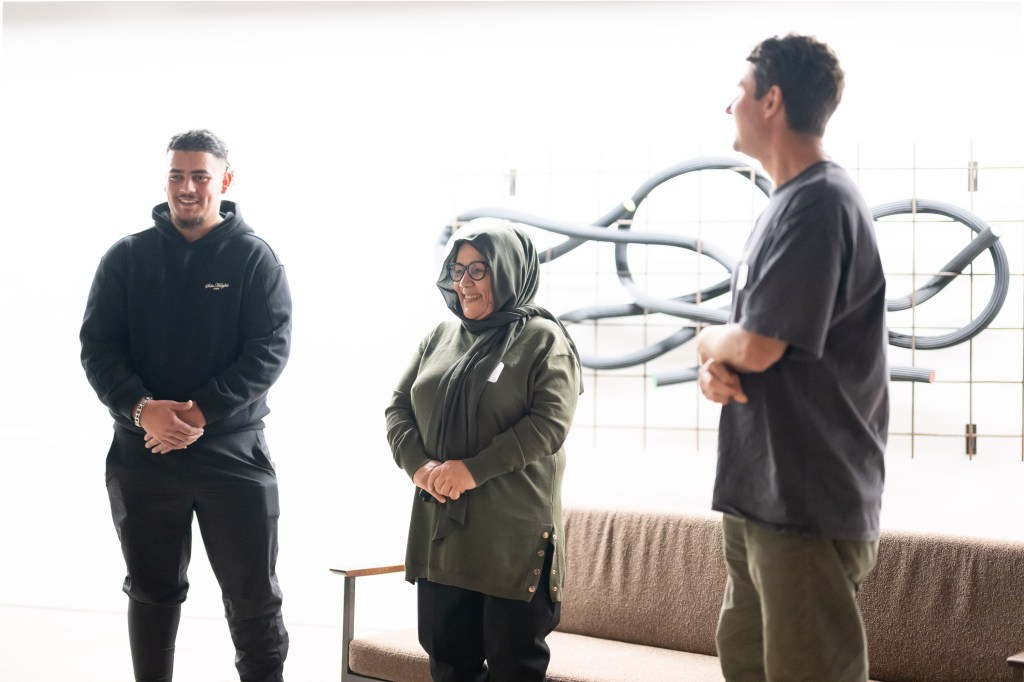
Skateistan Brighter Futures Event, Sydney
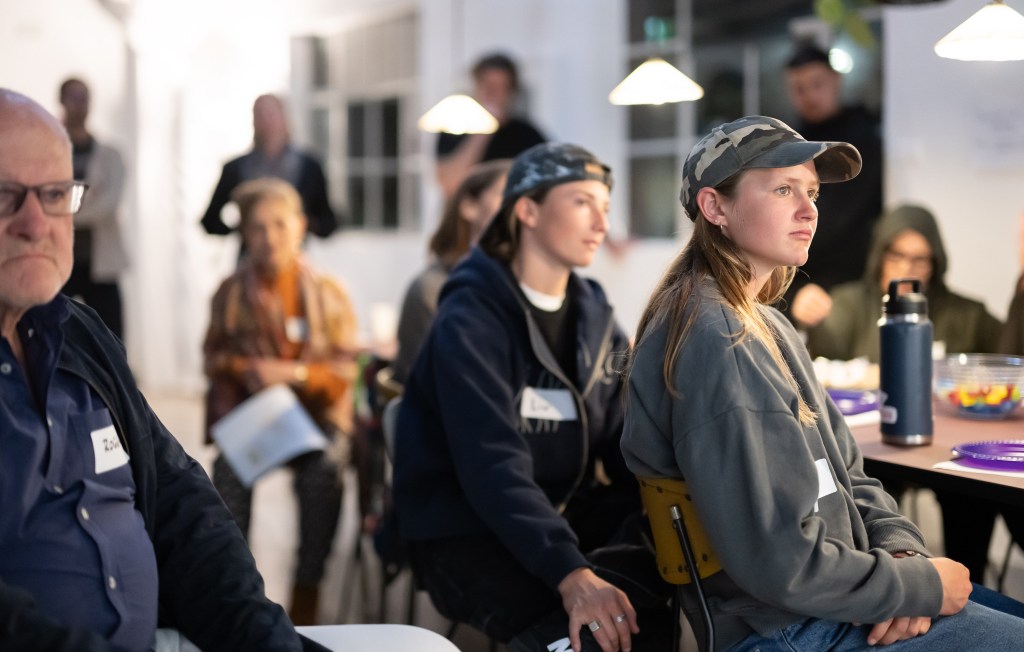
Palas Gallery, Sydney 21 September, 2025. Co-hosted by Skateistan, SkateCER, Respect is Rad and support from SSSHARC, The University of Sydney.
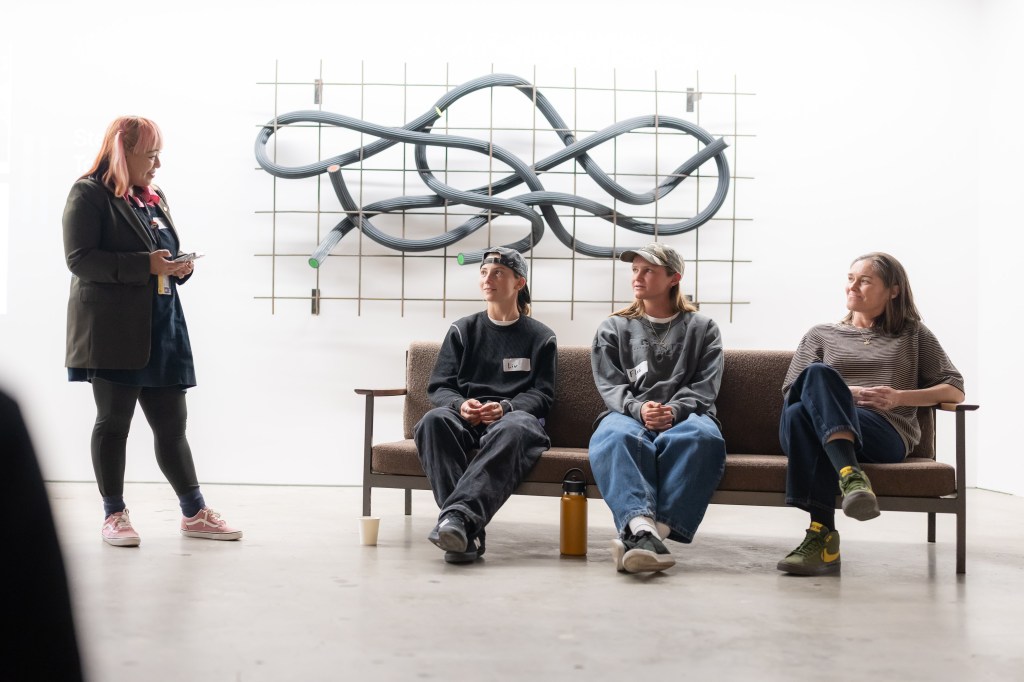
Speakers: Shaun Gladwell, Oliver Percovich, Fatima, Grace Lillian Lee, Mimi Knoop, Liv Lovelace, Felicity Turner, MC: Dr Indigo Willing. Opening by Jess Miller, Deputy Major City of Sydney. Photography by Wendell Teodoro

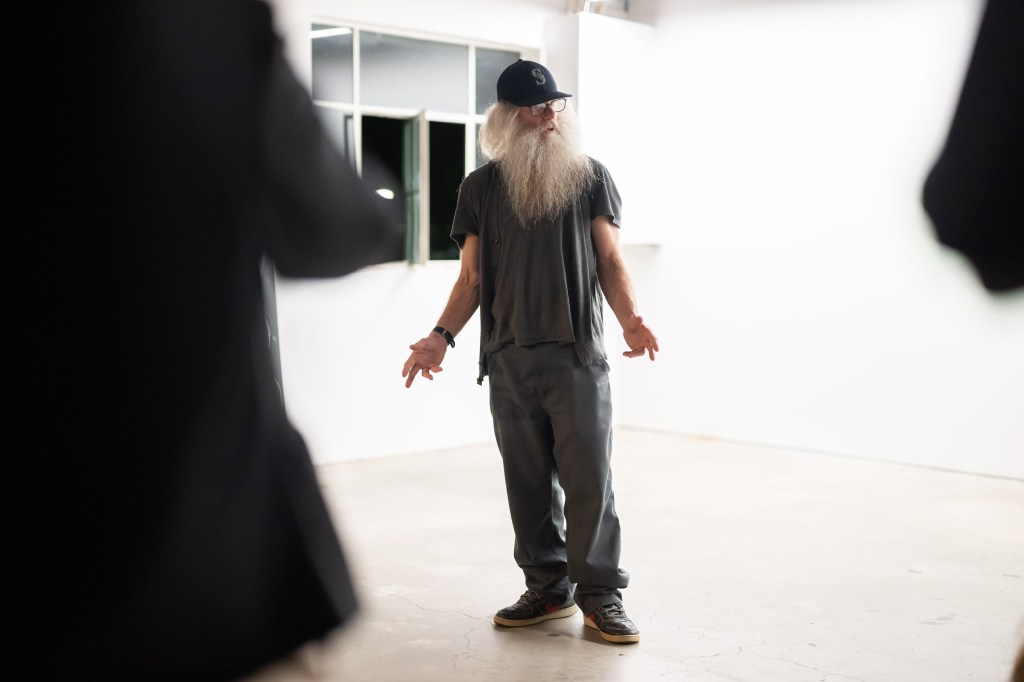
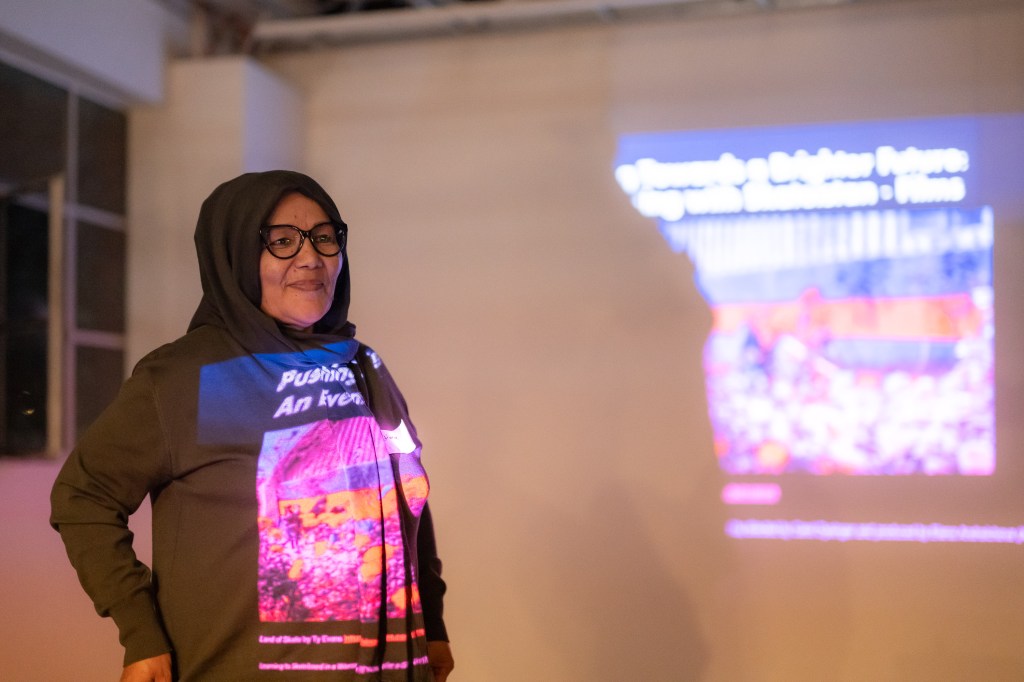
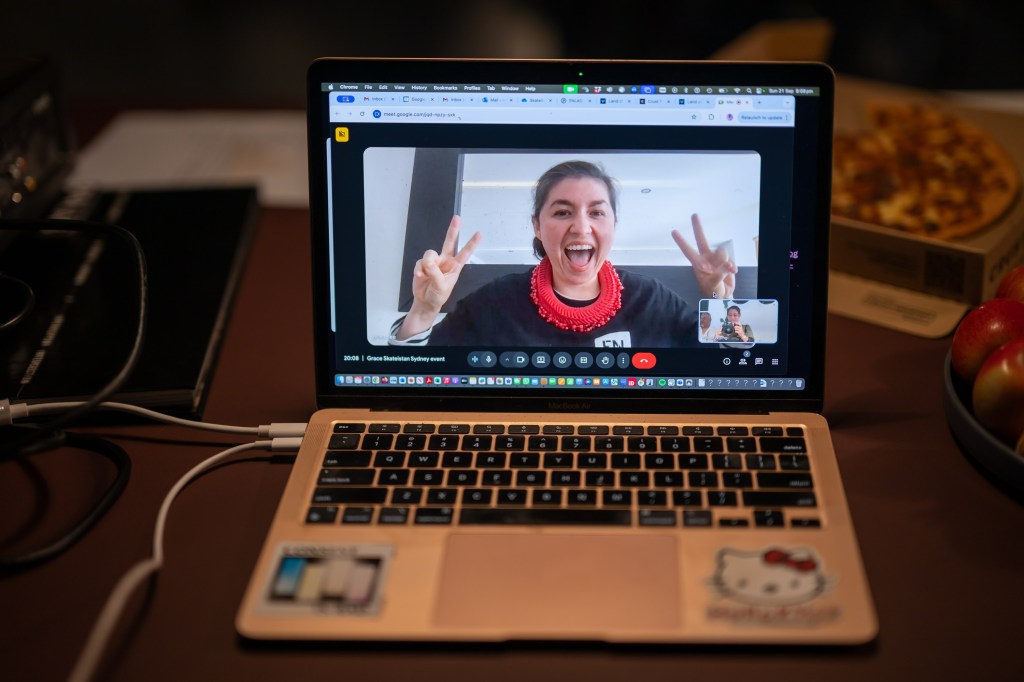

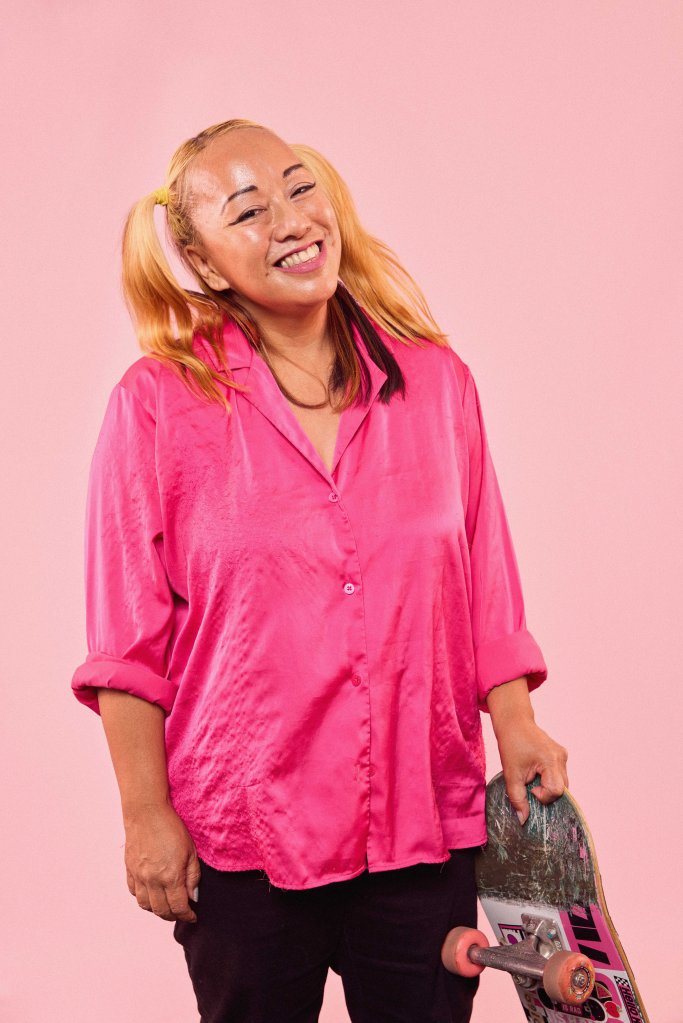
Dr Grace Lillian Lee (UTS) is a visionary artist seamlessly blending traditional techniques with contemporary forms. Hailing from one of the world’s oldest living cultures. She is the founder of First Nations Fashion Design and has worked with some of the world’s top fashion icons including Jean Paul Gautier and is collaborating with the Bangarra Dance Company on their latest performance work in 2026. She is a new Ambassador for Skateistan.
Mimi Knoop is a 5 times X Games champion, founder of the Hoopla Skateboards and co-founder of the Women’s Skate Alliance and CEO of Surf Tasmania. She is also on the International Advisory Board of Skateistan.
Liv Lovelace is a member of the Australian Olympic Committee Team, a Paris Olympian, Slam Skateboarding New Gen of the Year, and world competitor for World Skate SB Australian team. She is also a street skater featured in films such as Volcom’s Microwave, and has photographs in Slam Skateboarding, Thrasher and other leading skate media. Giving back to community, Liv is also a coach with Totem Skateboarding and Big H ‘Art’s Skate of Mind initiative.
Felicity Turner is a street skater featured in Slam Skateboarding Magazine, films by veterans such as Geoff Campbell and a world competitor for World Skate SB Australian team. A community change-maker, Flic is is also a coach with Totem Skateboarding and Big H ‘Art’s Skate of Mind initiative. She is also the founder of monthly skate events for girls and women in the Illawarra District.
Shaun Gladwell is one of Australia’s top contemporary artists, with work in the MCA Gallery as well as previous shows at the Venice Biennale. His work combines street cultures such as skateboarding, BMX, hip hop and graffiti worlds in striking video art and visual formats. He is also a freestyle skateboarder and long time supporter of Skateistan.
Fatima is from Afghanistan and is featured in the Academy Award winning film about Skateistan ‘Learning to Skate in a War Zone (if You’re a Girl)’. She is a teacher and has worked with children and girls in Skateistan’s past programs in Afghanistan.
Oliver Percovich is the founder of Skateistan, the world’s largest skate non-profit with partnerships in over 50 locations across five continents. He is a lifelong skateboarder and has seen the organisation go from a grassroots idea in the streets of Kabul in Afghanistan grow into an award winning initiative, including from the International Olympic Committee for advancing equity in sport. He is the co-director of Skateistan with Hala Khalaf and continues to dedicate his life to sharing skateboarding in places across the world where it’s hardest to be a girl.
Panel Chair Dr Indigo Willing is the Co-Chair of the International Advisory Board for Skateistan, a researcher and long time advocate of social equity and inclusion in skateboarding. Her work on skateboarding includes being a Visiting Fellow at SSSHARC at the University of Sydney, a is a Churchill Fellow, Hon. JOL QLD State Library Fellow and recipient of an Advanced Olympic Research Grant. She is creator of SkateCER Lab and also the co-founder of Respect is Rad / Consent is Rad, We Skate QLD and the SSSHRED network.
Deputy Major of Sydney Jess Miller is an advocate for liveable cities and works in community engagement, placemaking and communication strategy. She performed an Acknowledgment of Country and opening words of support for Skateistan.
Sociology, Skating and Architecture, TASA, Australia
Online Talk. Hosted by The Australian Sociological Association (TASA) 21 August 2025 with Anastasija Kukić, Dr Dan Johnston and Gav Drumm. Chaired by Dr Indigo Willing.
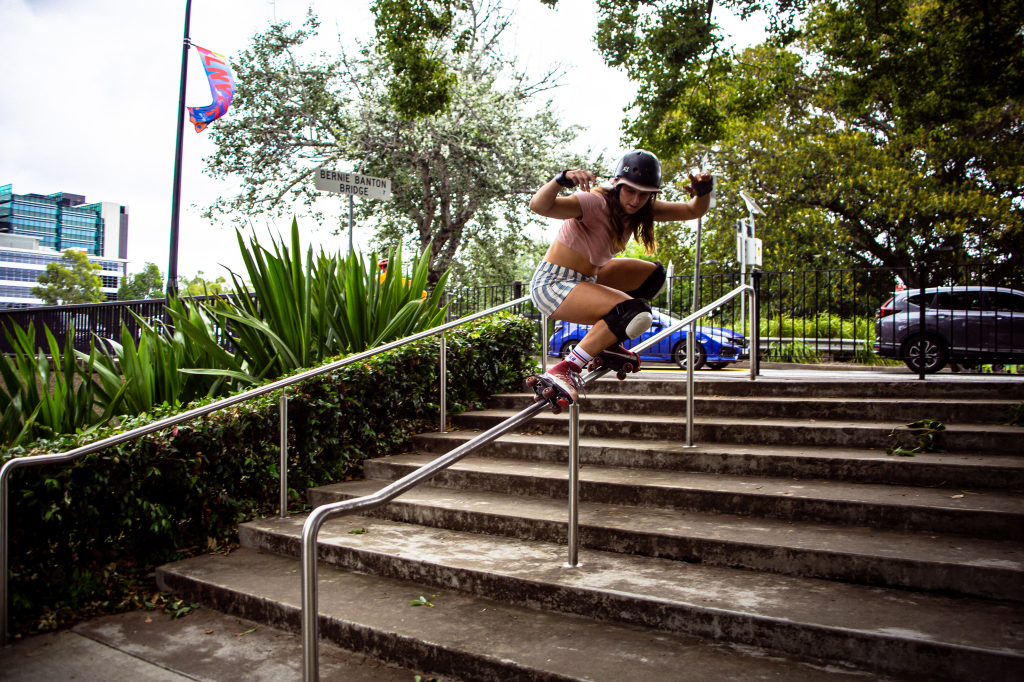
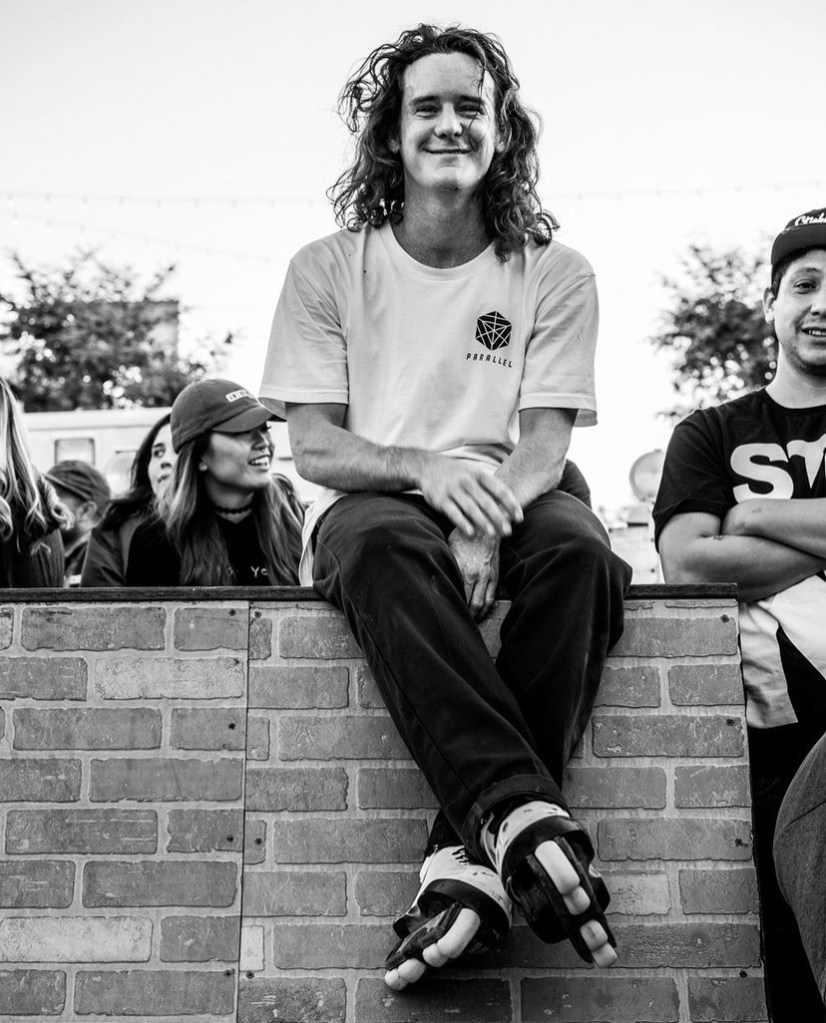

Workshop for MA Architecture students from UTS
Hosted by HY William Chan, professor of architecture at UTS. Workshop held at Glebe Federal Skatepark. Facilitated by Dr Indigo Willing, USYD -with guest speakers Alicia Mardones, Aaron Christiansen and Sam Whyte from the SkateCER 2025 advisory group. Event held in March 2025.

Overview of 2024
Event Symposium Day 2 – 18th October
‘City Canvas, Public Art, Urban Play and Creative Sports Symposium’ at the RD Watt BLD, The University of Sydney co-organised by Art/Play/Risk, SkateCER and SSSHARC. Key funding for skate talk sessions was made possible by a TASA grant and Henry Halloran Research Trust grant awarded to Dr Indigo Willing. Full program for the symposium here and Festival of Urbanism panel here
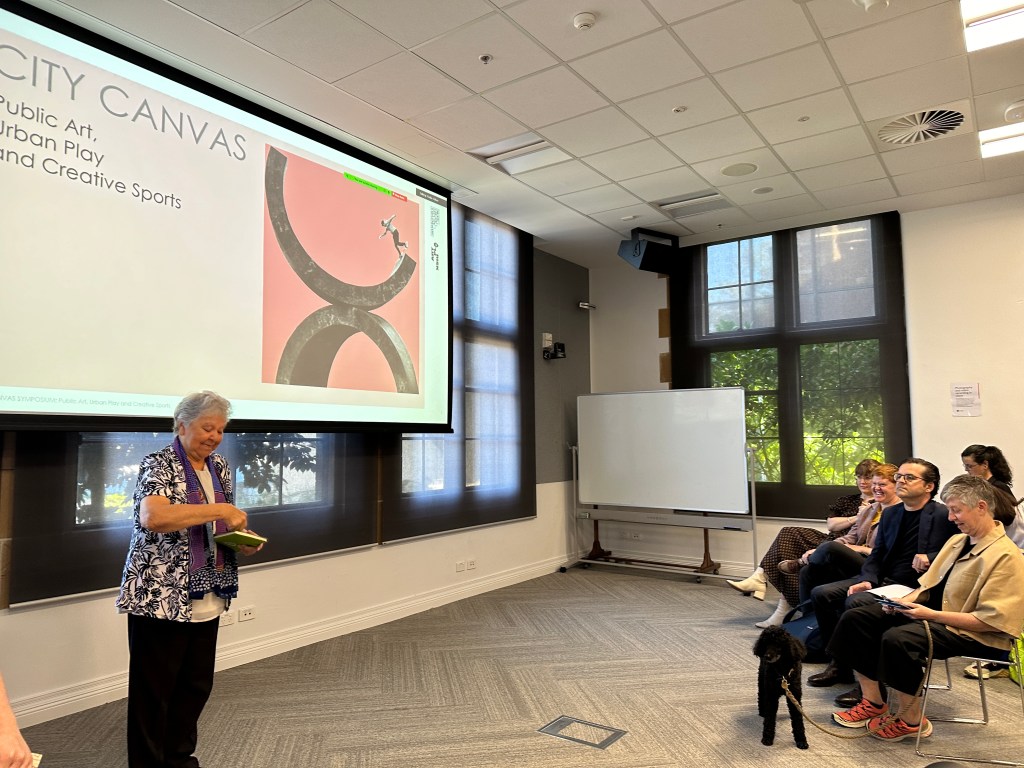
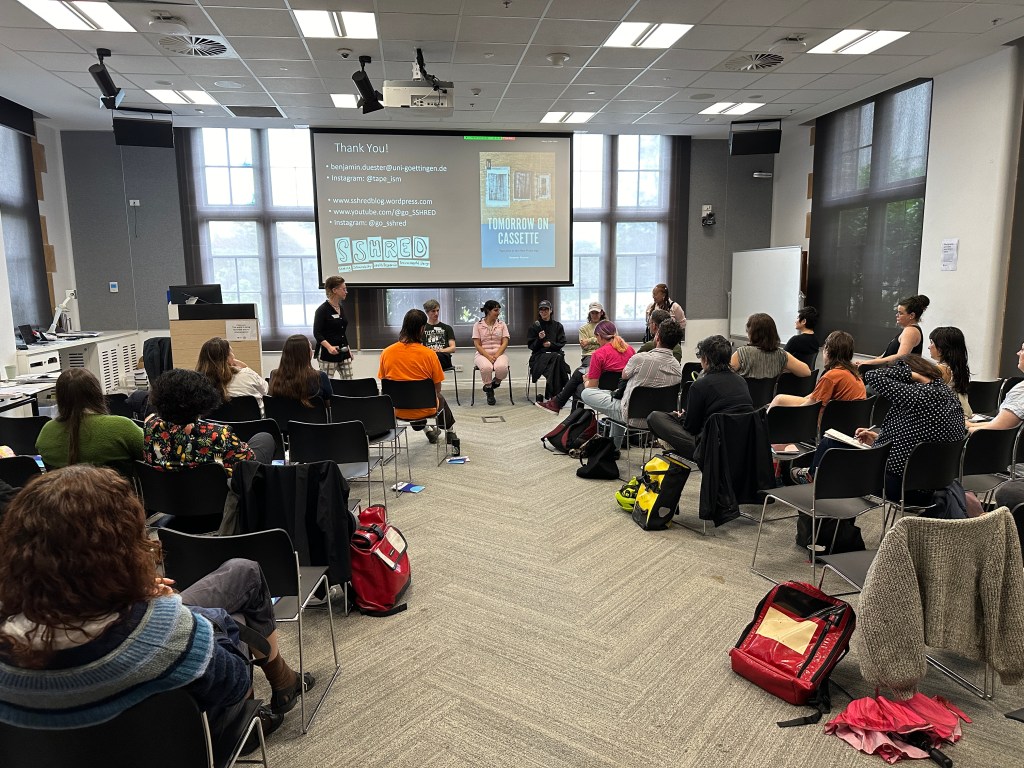

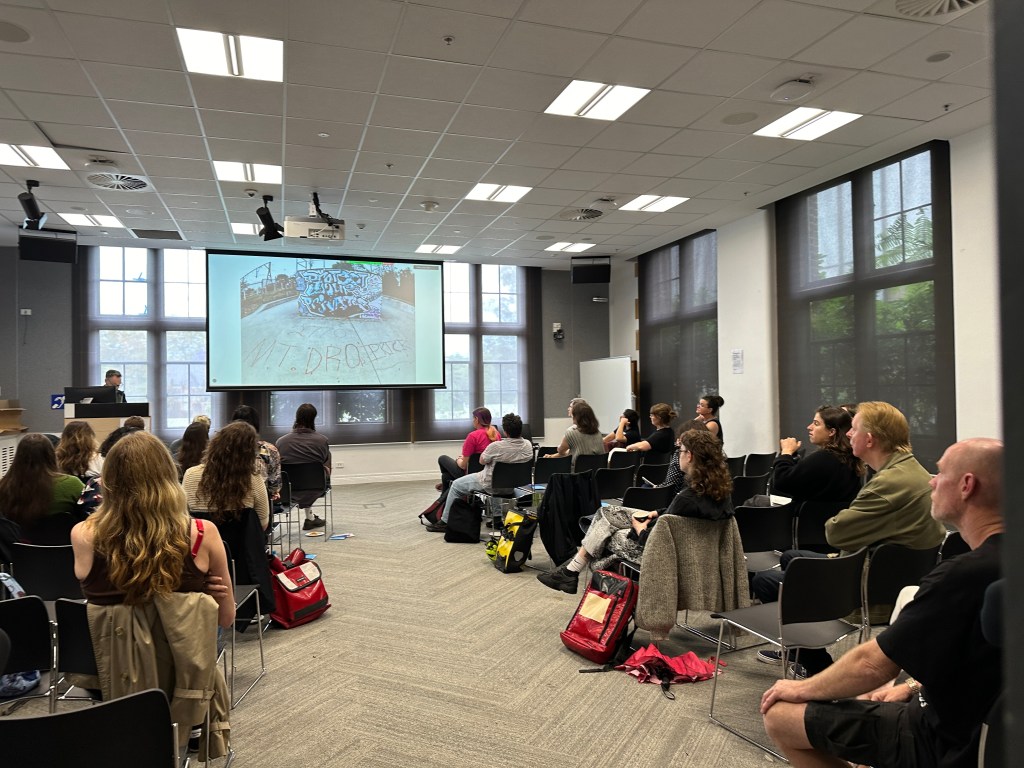

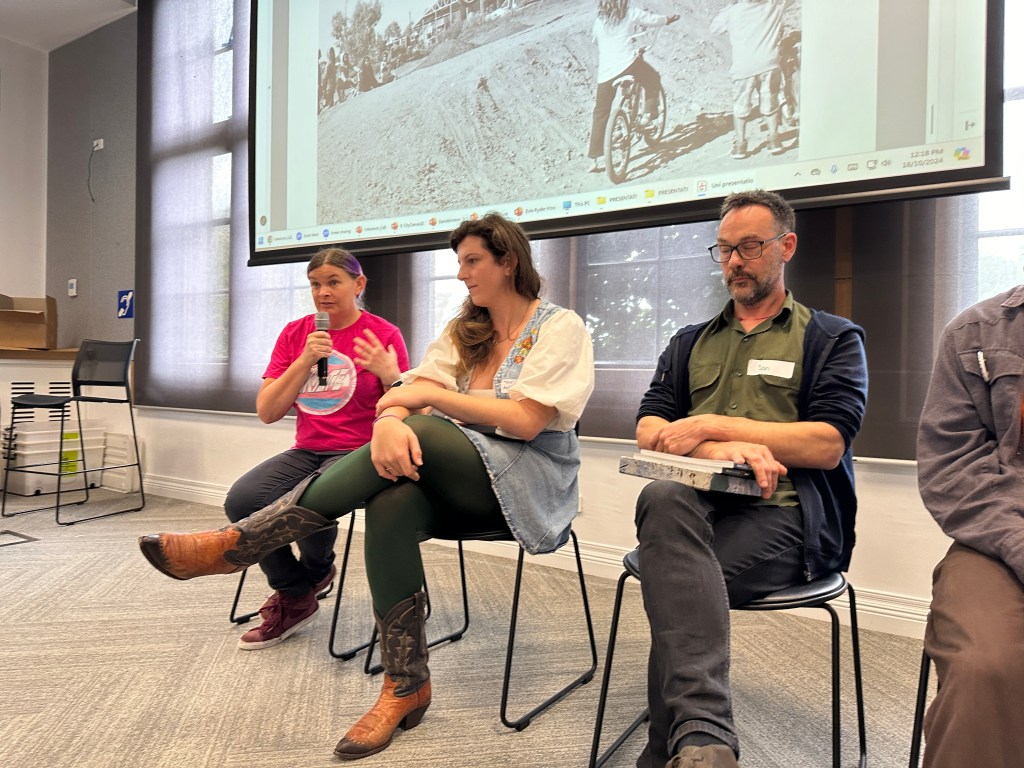
Greg Barnes - Presenter, Research and Community Panel.

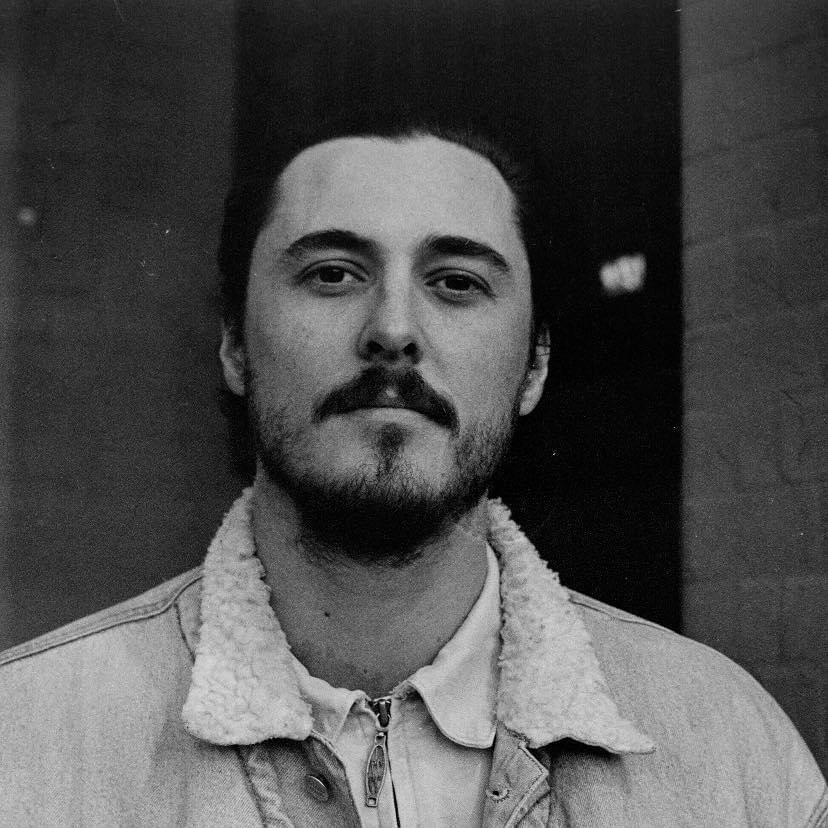
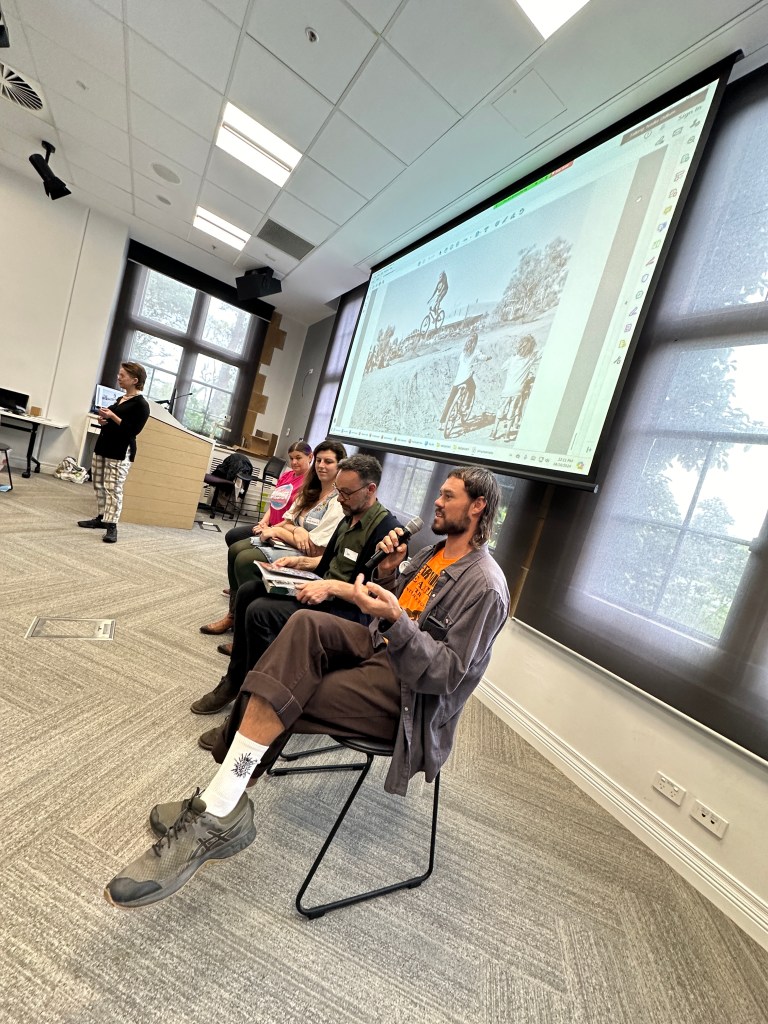
Greg Barnes has been passionately campaigning for youth skate infrastructure in central Australia. For the past eight years, he has lived on unceded Arrernte country and played a key role in the campaign for a new skatepark in Mparntwe/Alice Springs, which recently received $5.8 million in funding. Greg has a BSC (hons) in criminology and sociology, is the Founder and Editor of BMX print magazine @nothingswrongbmx and has worked with Nicky ‘Skateboard’ Hayes on his Eastern Arrernte brand, Spinifex Skateboards, since its inception. Additionally, Greg has been active in the community radio sector and has coordinated skatepark programs and events in Mparntwe @alicespringsskatepark and nationwide for over fifteen years. His passion for street-level creativity has taken him to all corners of the globe, where he explores laneways and backstreets on his BMX. Read more in a Lux article here. Instagram for Nothings Wrong zine here.

Kirby Clark - Presenter, Research and Community Panel.
Title:
Can Skateboarding Save Us?

Summary:
Feeling overwhelmed by the state of the world? This energizing talk will inspire you to roll forward towards a more inclusive and sustainable future. As a skateboarder and advocate for change, Kirby will share how adopting a skateboarder's mindset could just be what we need to create a thriving future for all. From their work with Decks for Change to their leadership in adopting sustainable design methods, Kirby has seen firsthand how motion, momentum, and the lessons learned from skateboarding can empower us to reimagine public spaces. Whether it's breaking down barriers or paving the way for non-traditional users of urban environments, Kirby offers insight into how creative urban sports can drive real-world impact and help tackle the pressing issues of our time. Join this talk to discover how the resilience, creativity, and adaptability found in skate culture can contribute to a future where our cities are more sustainable, healthy, and welcoming to all.

Bio:
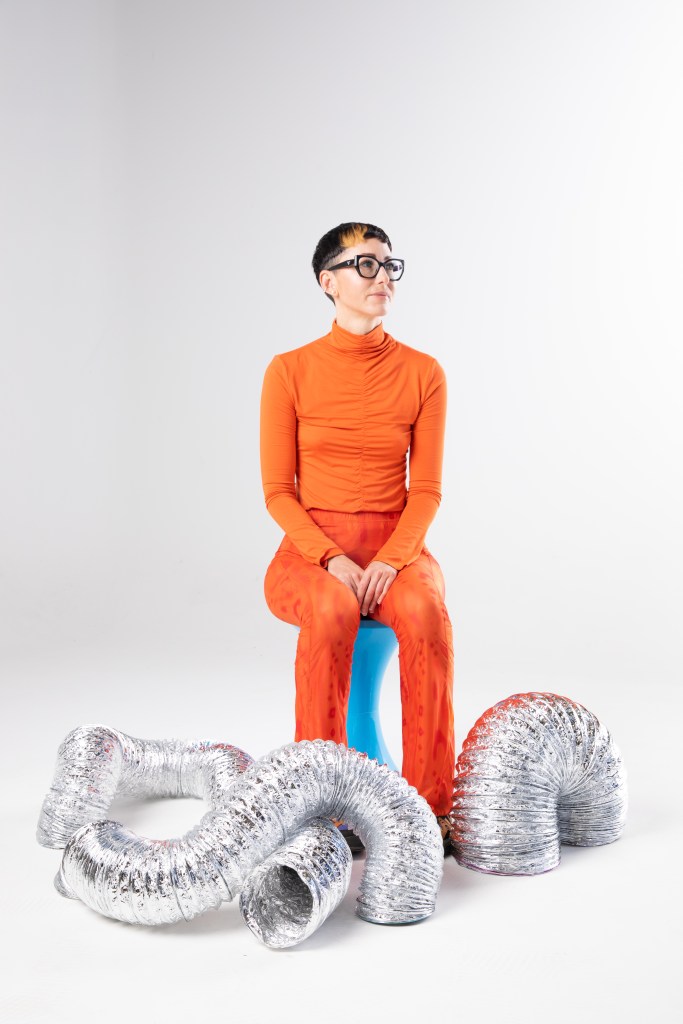
Kirby Clark is a skateboarder and circular design strategist. In 2015, they founded Decks for Change, a skateboarding charity that supports skatepark builds and youth skateboarding programs in Nepal, Iraqi Kurdistan, and Cambodia. Kirby’s work in the world of experiential marketing, events, and exhibitions is accelerating the adoption of design principles for the circular economy, challenging an industry that creates 100,000+ tonnes of waste each year. From leading the first circular design approach for a City of Melbourne event, Melbourne Knowledge Week, to hosting skateboarding lessons in a remote village of Iraq, Kirby has worked on diverse projects, all with the goal of effecting positive change in their spheres of influence. Visit Kirby's work here.
Gav Drumm - Presenter, Research and Community Panel.
Title:
‘Rolling Interface’

Summary:
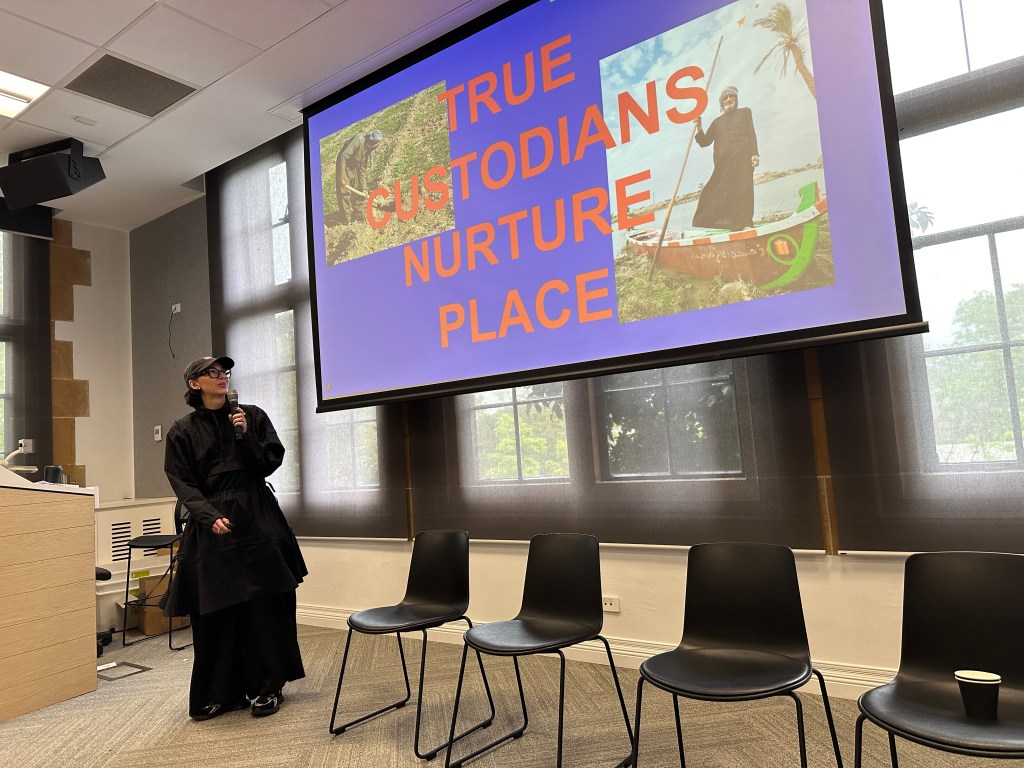
Skates were in the house when Gav was born, and his life has rarely been without them. Skating exposed him to new worlds within his local environment, and it has brought him to other parts of the world. Gavin continues his involvement in skating as a Professional inline street skater, making films, designing products, working at a local shop, and teaching.
In this presentation he will share aspects of what skating has afforded him over time, and what a skating practice may offer to others willing. How skating can facilitate a visceral embodied sense of agency, and how this converges with a broadening and strengthening of social connection.
Through a Masters of Fine Art at RMIT and within his art practice, Gavin traverses the interface of skating methods, urban spaces, function and materials. In this presentation he will consider how an expanded sense of skating practice can both transform our urban environment and our immediate experience of existing structures.
Benjamin Duester - Presenter, Research and Community Panel.
Title:
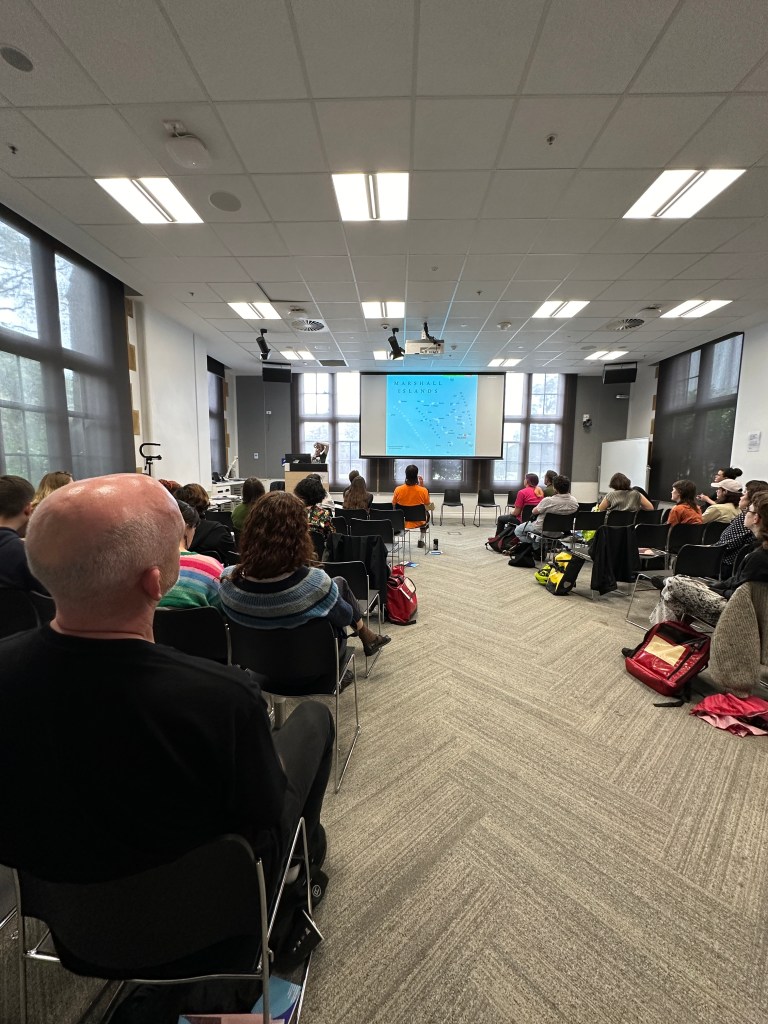
Resounding from Below: On-Board Sensorium and Imagination

Summary:
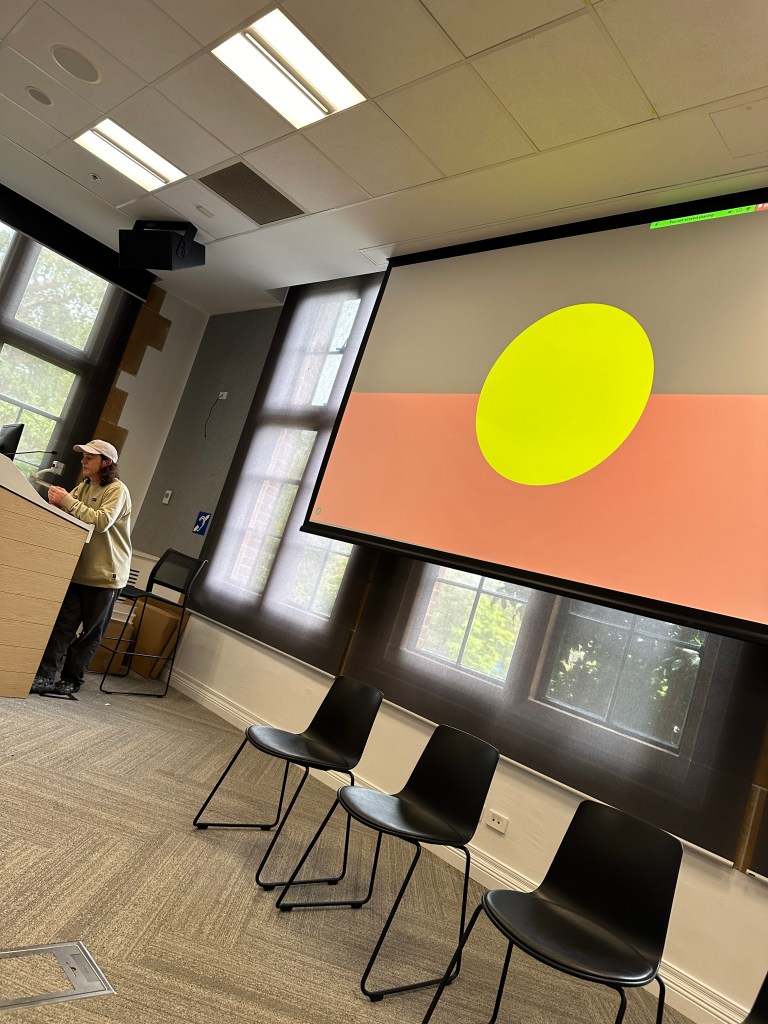
This paper frames the sensoria of skateboarders as a qualitative method for documenting and preserving cultural memory in drastically shapeshifing environments such as Majuro in the Marshall Islands. While the urban environment of Majuro displays complex interlays of development and decay, viewing the environment through a ludic skateboarding perspective provides here an opportunity for an engaging ethnography ‘below the knee’ (McDuie-Ra, 2021) as a counterpart to traditional anthropological inquiry that maintains a head-level perspective and archaeology invested in spaces beneath the ground’s surface (Krämer et al., 1938; Spoehr, 1966). Acknowledging recent research in leisure studies that argues for an understanding of skating as multi sensorial practice (Borden, 2019; Hölsgens, 2023), the paper focuses on the sonic dimensions that recordings pose for the maintenance of cultural memory while highlighting the interplay between ground surfaces and the often-diffused boundaries between land and water in the atoll environment. This explorative methodology not only invites perspectives for the documentation of spatial and cultural memory below the knee, but also extends its focus beyond representative spaces too often overlooked and even neglected environs. A concern here is to emphasise the ludic dimension of this skate-inspired perspective that is not only limited to embracing the urban environment in a creative way through skateboarding but offers the opportunity to include the perspectives of childrens’ and adults’ play and sports as well as graffiti and urban art as explorative qualitative methods for the documentation and preservation of cultural memory.

Bio
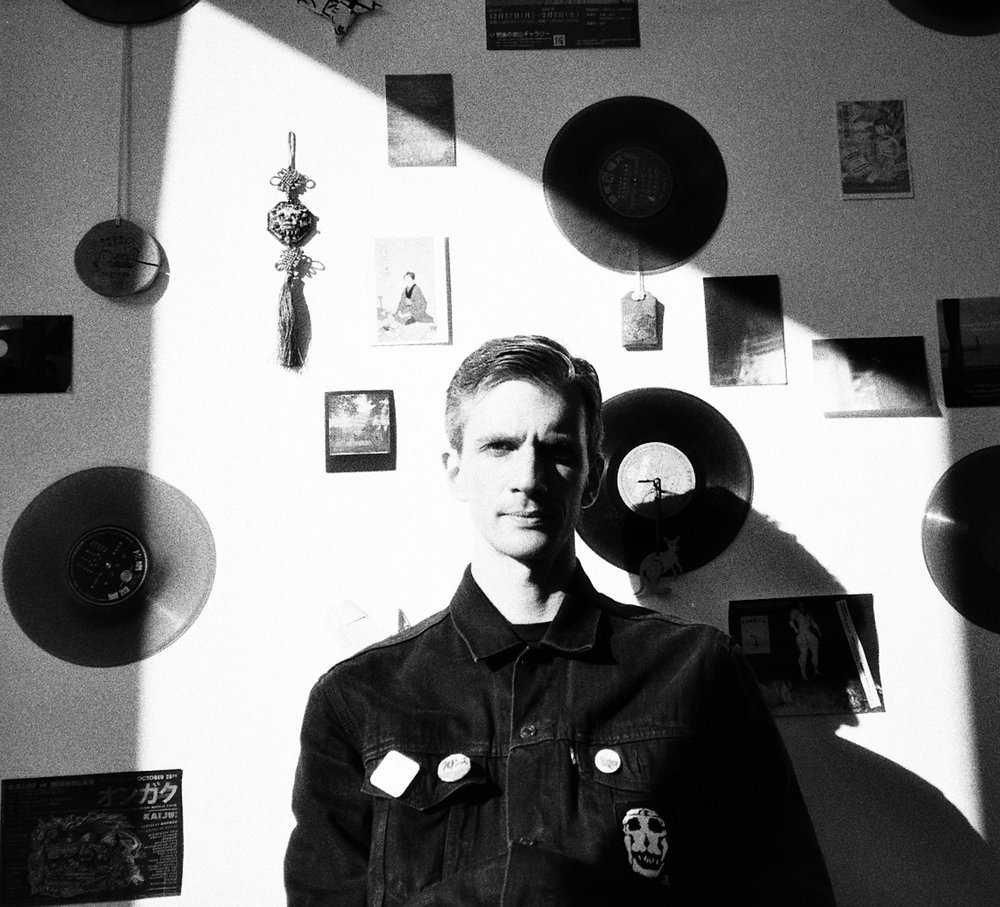
Benjamin Duester is a cultural sociologist working at the intersection of material culture, leisure and sustainability. He holds a PhD from Griffith University, and currently works as a postdoctoral researcher at Georg August University Göttingen for the ERC project Sound Knowledge: Alternative Epistemologies of Music in the Western Pacific Island World. He is a cofounder of the SSHRED research network that investigates skating, sustainability, health and environmental design. For SSHRED, he is developing a zine called Green Pressure as platform to raise awareness for projects repurposing skateboarding’s waste in creative ways. Ben will publish his first monograph for Bloomsbury in 2025; a study that comprehensively analyses the cassette’s economic and cultural significance for music production, distribution and consumption in the new media age. Visit his website here.
Anastasija Kukić - Presenter, Research and Community Panel.
Title:
Skate-chitecture
Summary:
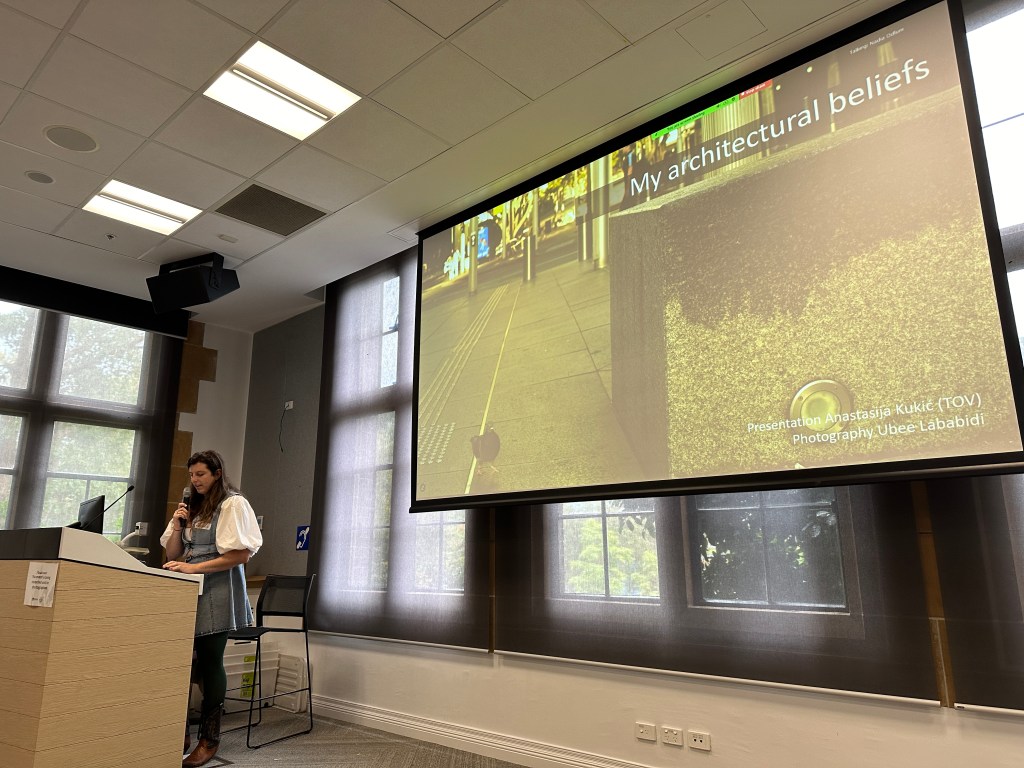
In Australia there is a haunting trend in architectural and design practice to bulldoze and build back bigger and better. It is seen as a testament to the prosperity of a great nation. It is also the crux of a mindset that prevents sustainable practice to prevail on large scales. In the past five years we have had a flurry of new skate parks being built symbolising the posturing of our nation's great wealth and excess. The delivery of these new mega constructions of large slabs of concrete being poured down onto the earth, makes one wonder;  How long will the skatepark boom last? Could we see another great decline in skating, similar to that of the late 80’s early 90’s? Will the parks of today be considered skate-able in the next decade or will they be left to dilapidated similar to parks around Australia built in the 90’s-00’s, especially the parks built in lower socioeconomic areas? How long will Australian councils’ attention be fixed on skating if we were to no longer win medals at the Olympics or if skating ever leaves the olympics?  These questions morbidly prod at the longevity of skating on a national scale and without skateparks what / who are skaters?  Through the Skate Create Educate and Regenerate x Art/Play/Risk research and the City Canvas symposium I wish to highlight the importance of placemaking for skaters by exploring our determination and ingenuity that physically manifests in the build realm, the DIY + Guerrilla Movements which shape our lived spaces, the autonomy agency and pride we find through making places.
Bio
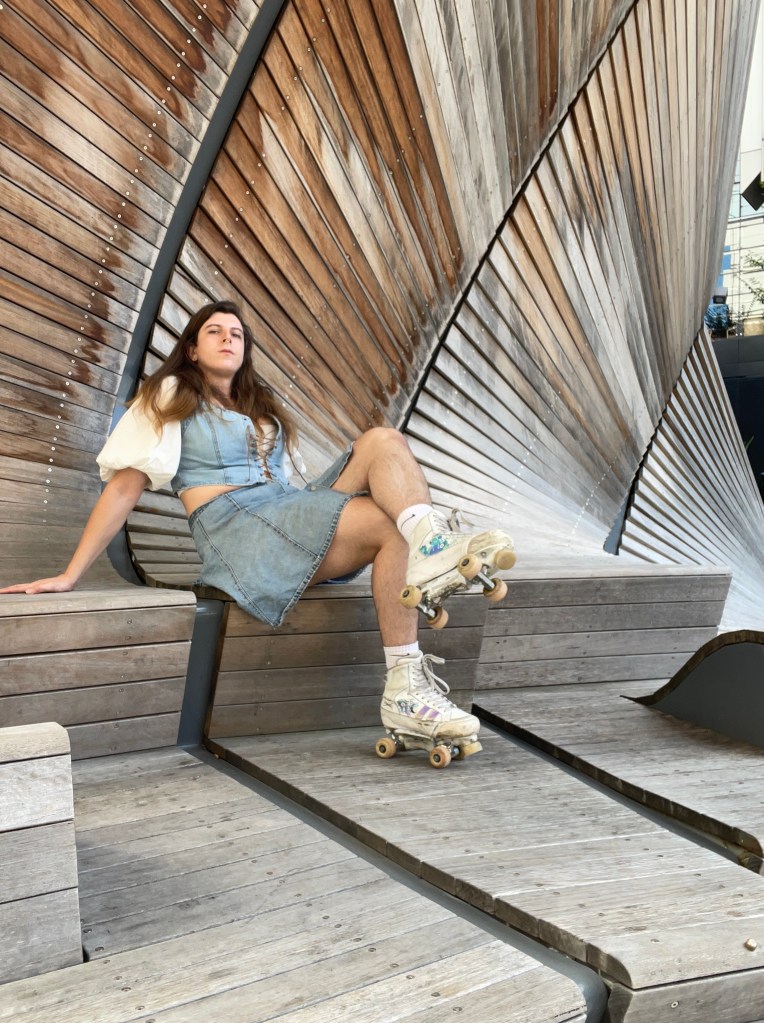
Anastasija (TOV) Kukić is a sponsored roller skater and graduate of architecture. Anastasija began her involvement in the Queer Warrang Skate by helping run and host Camp skateboarding, CIB Sydney and Girls Skate Sydney in previous years. Through her masters degree she explored and challenged the conventional belief that architects have a right to scar the earth in pursuit of their masterpiece. She explored concepts of inequality in architecture and the built environment by questioning the fabric of cities and sites and comparing the distribution of agency of an individual and the individual's potential experience.
Anastasija’s final Graduate thesis developed to reshape the site of Townhall, the Church and train station below, that would enhance the physical experience of reversing and using one’s city by designing a rigorous universal user experience. A simple ramp, that can accommodate the functional need of traversing from point A to point B, help divide the site creating pockets of pause, breath and rest whilst being respectful to the existing built form by giving privacy and allocated a public and private space. Through this project Anastasija strives to be a bastion of little ‘a’ architecture, she recognises the importance of personal and subtle regeneration of existing spaces, as she believes they are the catalyst for the means to give greater agency and autonomy to a larger number of people as they take back their rights to their cities. It is important that an individual is able to take action in both the destruction and rebuilding of their lived space, without so we can not endeavour or imagine equal opportunities to recreate spaces that fit our needs. She shreds the streets, she rebuilds them with her pen and trace, she’s very excited to participate in this symposium learning to regenerate. Visit her website here and Instagram here.
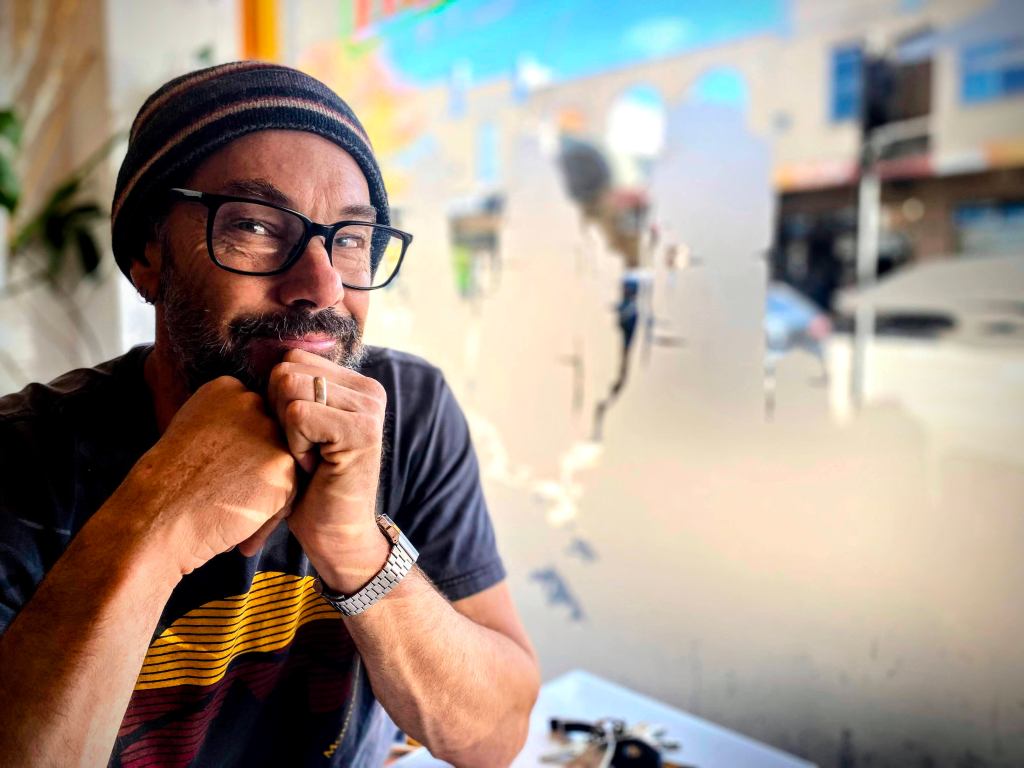
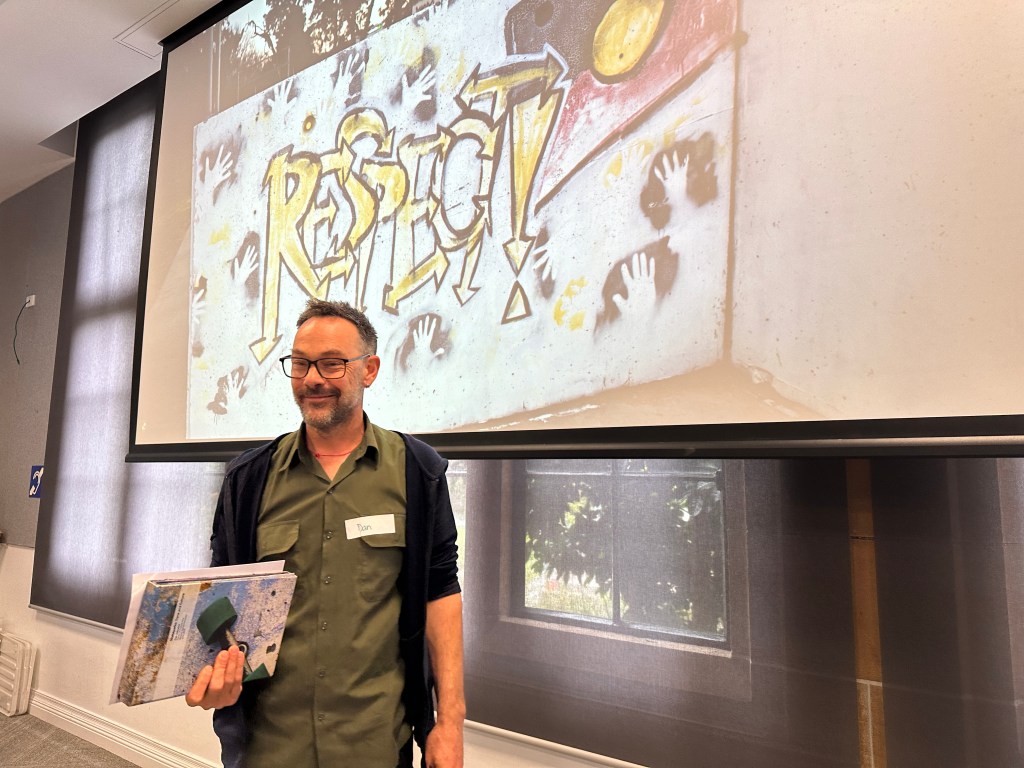
Dan Johnston - Presenter, Research and Community Panel.
Title:
Skateparks and Community Health
Summary:
Skateparks and Community Health is an ethnographic study of the ‘skateparks-as-easy solutions’ to perceived youth needs within Australian communities and interrogates the systems that influence the approaches and processes utilised by local governments when considering the needs of young people in the community. The study undertakes to deeply understand ‘why’ and ‘how’ some skateparks work, whilst others don’t, and in doing so, provide a framework that can be utilised across a range of possible initiatives, enabling more sustainable developments in the future, resulting in healthier communities.

The study analyses geographic, visual, audio, cultural, and social data from 29 skateparks in Western Sydney, Australia, to generate a working definition of a ‘healthy’ skatepark. From micro considerations including access to drinking water and toilets, to macro concerns including societal perceptions of young people, the research outcomes will offer a practical and translatable ‘checklist’ for governments to do better by young people and their communities.
Bio:
Dan Johnston is a design lecturer, photographer, and skateboarder from Western Sydney University. His practice-based research combines site surveys, photography, and audio recordings to gather data and produce creative outcomes. His research focuses on community health and youth leisure spaces, particularly skateparks. His Doctor of Creative Arts project, Skateparks: Trace and Culture, analysed the physical traces left behind by skatepark users, revealing the often overlooked yet deeply meaningful experiences that occur there. Dan's research challenges the tendency to develop skateparks as set-and-forget sporting facilities, without due consideration of the deep culture that underpins skateboarding.

Dan has presented his creative work and research to local and international audiences and is committed to making a positive impact on skatepark planning in Western Sydney and beyond. Visit his website here.
Alicia Mardones - Presenter, Research and Community Panel.
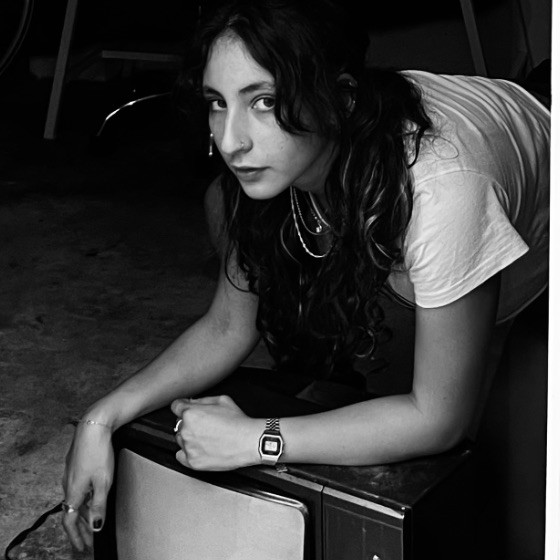
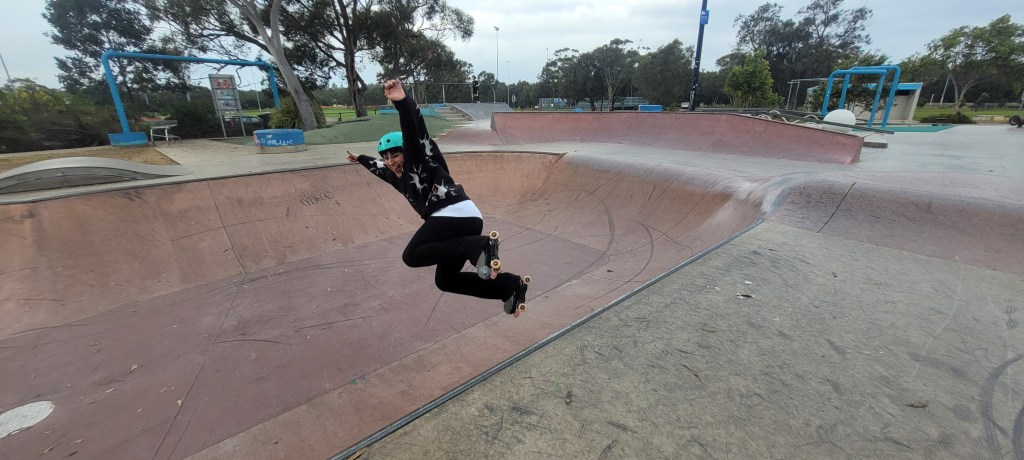
Alicia Mardones is a a 23-year-old roller skater from Valparaiso, Chile and Architecture postgraduate student at the University of Sydney. Whilst navigating architecture school in the 2020 lockdown, Mardones picked up roller skating after seeing others do daring tricks on their heeled skates on social media. This changed her worldview on the built environment forever.
Mardones is currently pursuing an architectural dissertation for the Bachelor of Architecture (Honours) and Master of Architecture. This dissertation, called ‘Finding the Line’ explores how skating aids the lack of third places during Sydney’s modern living crisis. Without having to pour more concrete, Finding the Line explores the opportunities for integration of skate places in the urban realm without having to build new skateparks, being mindful of sustainability and encouraging adaptive-reuse. Linkedin here and Instagram here.
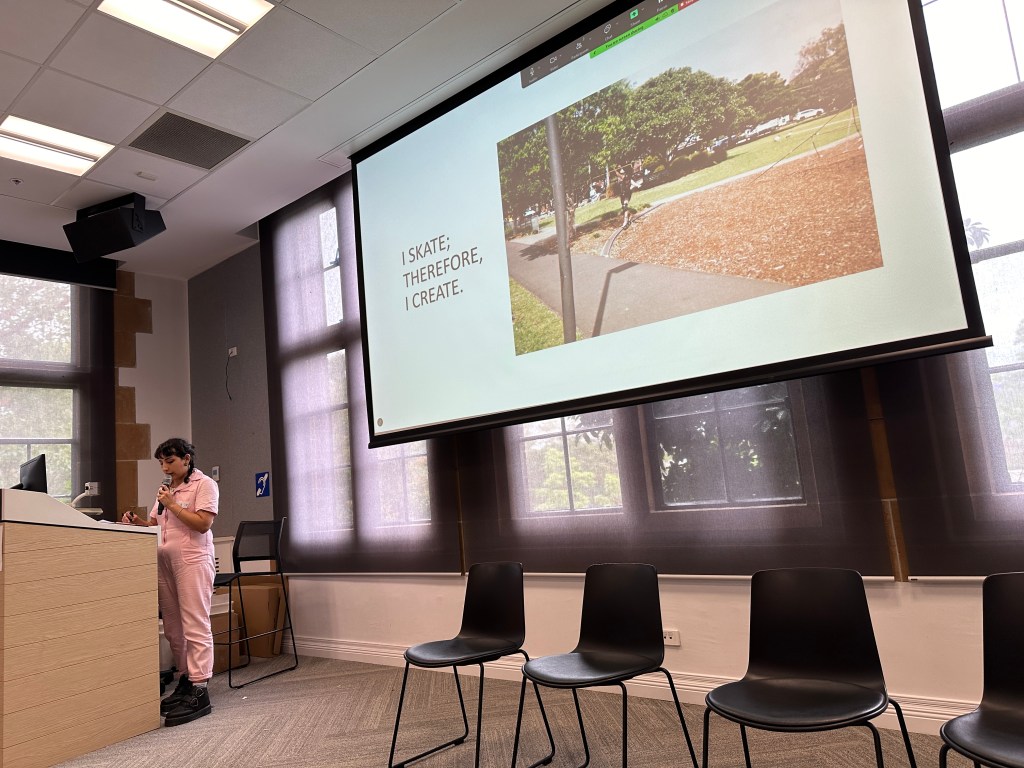
Duncan McDuie-Ra - In Conversation Session and Paper Session Co-Chair
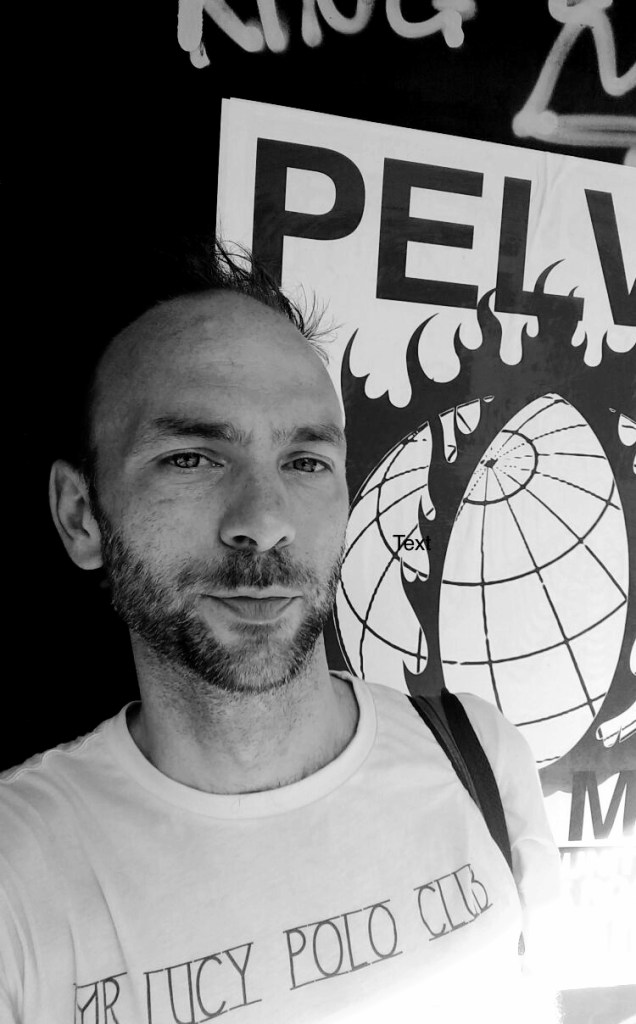
Bio
Professor Urban Sociology, Deputy Head of College Research and ARC College of Experts 2023-25. University of Newcastle

Duncan McDuie-Ra is professor of urban sociology at the University of Newcastle and Associate Dean of Research. Duncan’s main research interests are urban migration, urban culture, urban play and urban technology. Duncan’s books on skateboarding include Skateboarding and Urban Landscapes in Asia (Amsterdam Univ Press, 2021) and Skateboard Video: Archiving the City from Below (Springer, 2021). Duncan's monographs on Northeast India include Borderland City in New India: frontier to gateway (Amsterdam Univ Press, 2016); Northeast Migrants in Delhi: Race, refuge and retail (Amsterdam Univ Press, 2012), Debating Race in Contemporary India (Springer, 2015), and the co-authored Ceasefire City: Militarism, Capitalism and Urbanism in Dimapur (with D. Kikon, Oxford Univ Press, 2021). Duncan has authored over 60 journal articles and essays including in the journals Political Geography, Memory Studies, Geographical Journal, Modern Asian Studies and Mobilities. Duncan is a member of the Australian Research Council’s College of Experts (2023-25). Publications list here. Website here.
Sue McGill - In Conversation Session

Bio:
Sue McGill is the Director, Participation Growth at the Australian Sports Commission and a skateboarder. Sue has a Masters in Public Policy, a degree in Sports Management and a passion for sharing the power of sport with those who can benefit the most. Skateboarding has taught Sue resilience, provided a sense of belonging, built courage and delivered absolute joy. Sue was instrumental in the development of Australia's first national participation strategy Play Well, and works with sport organisations across the country to ensure everyone has a place in sport. ASC website here.
Evie Ryder - Presenter, Research and Community Panel.
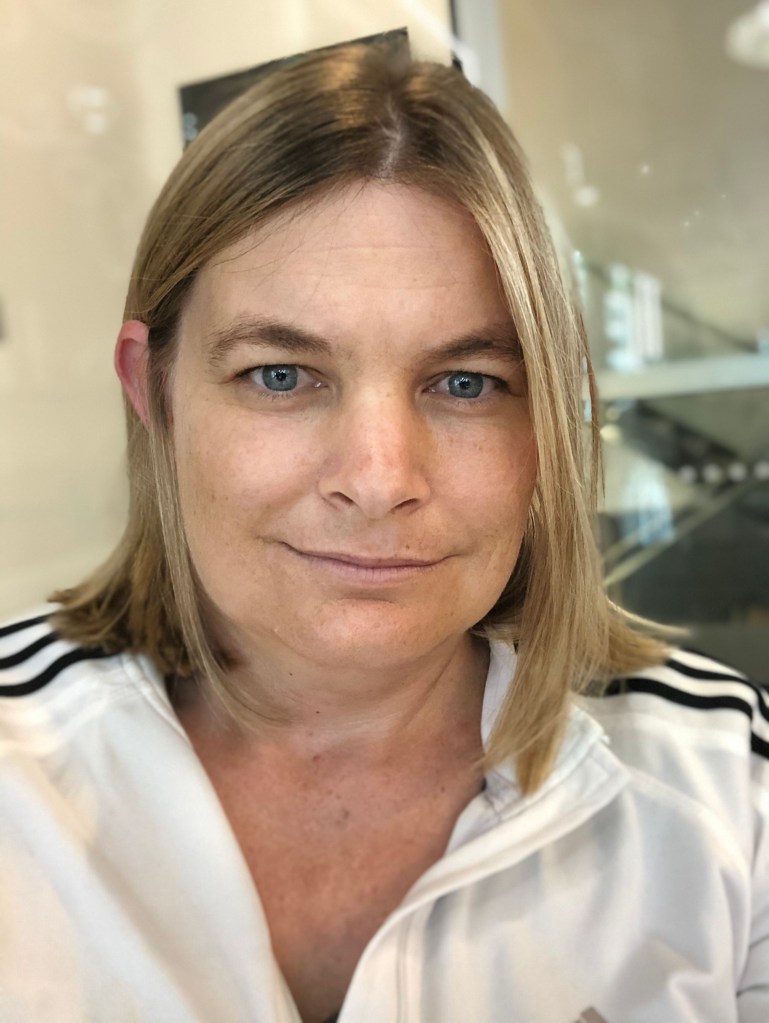
Title:
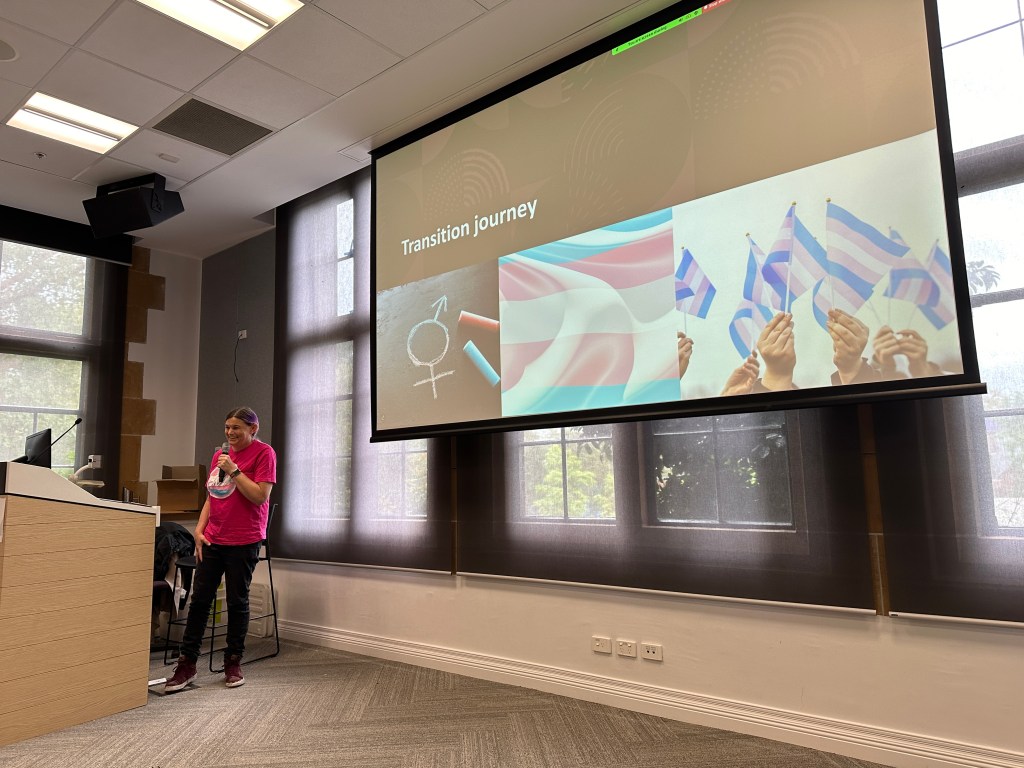
How Including Trans women makes Skateboarding better
Summary:
In my transition journey skating became my saviour and my celebration of my authentic self. As I practice skating, I noticed something incredible. My authenticity inspired others. Fellow skaters watched as I pushed my boundaries, experimented with new tricks, and embraced my unique style. My journey encouraged them to explore their limits, find their rhythm, and embrace their true selves. On this Journey with We Skate QLD I've seen how authenticity can inspire change. Our presence encourages others to experiment, challenge themselves, and support one another. This is how skateboarding is richer and more vibrant because of the diversity of voices and experiences we bring to it.
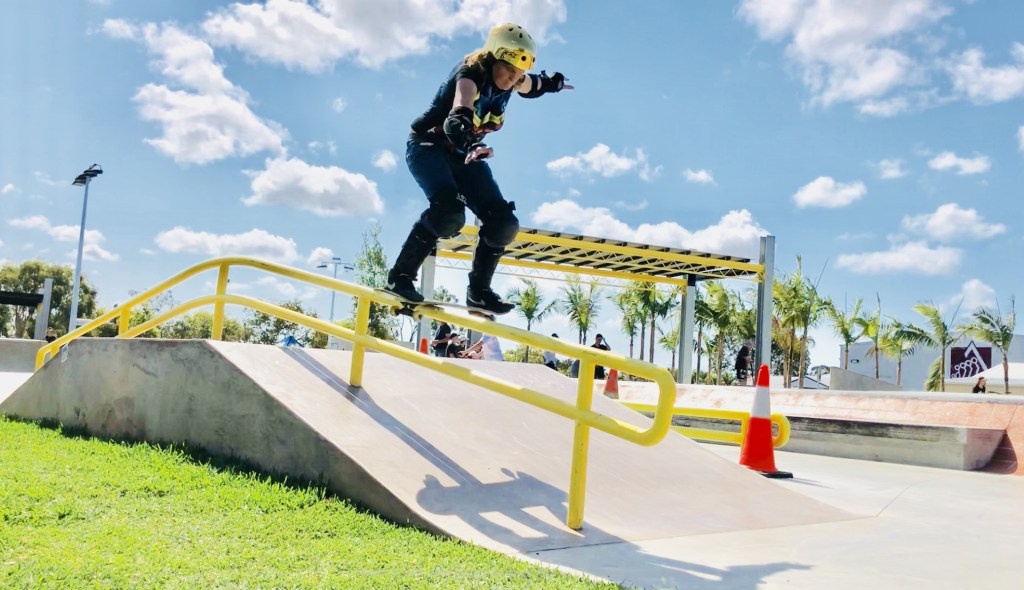
Bio:
Evie Ryder is a trans woman, passionate skater, and dedicated educator with over 20 years of experience in LGBTQAI+ mental health. As a community and social worker, Evie is deeply committed to fostering inclusivity and empowerment through sport. She is the co-founder of We Skate QLD and Consent is Rad (with Dr Indigo Willing, Miljana Miljevic and others), where she has been instrumental in creating safe, supportive spaces for skaters of all backgrounds across Meeanjin. A formerly sponsored skateboarder and competitor in intranational skate competitions, Evie brings a wealth of experience and passion to her work. In addition, Evie is also a filmmaker, using her creative talents to explore and highlight important social justice issues. Visit her website here.
Full program and updates for City Canvas visit here.
Festival of Urbanism Panel
Event 5pm – 7pm on 18th October
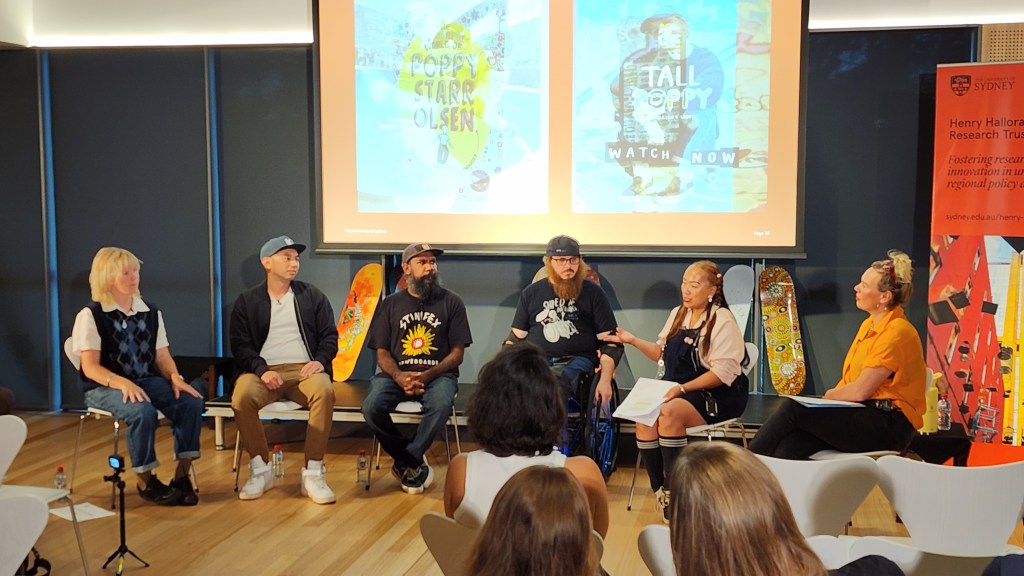
Grey Spaces, Public Places and Urban Play: Skate, Create, Educate panel at the Chau Chuk Wing Museum as part of the Festival of Public Urbanisms 2024 program. Funded by the Henry Halloran Research Trust and Dr Willing’s Research Seminar Grant awarded by the HHRT at The University of Sydney. Read more here

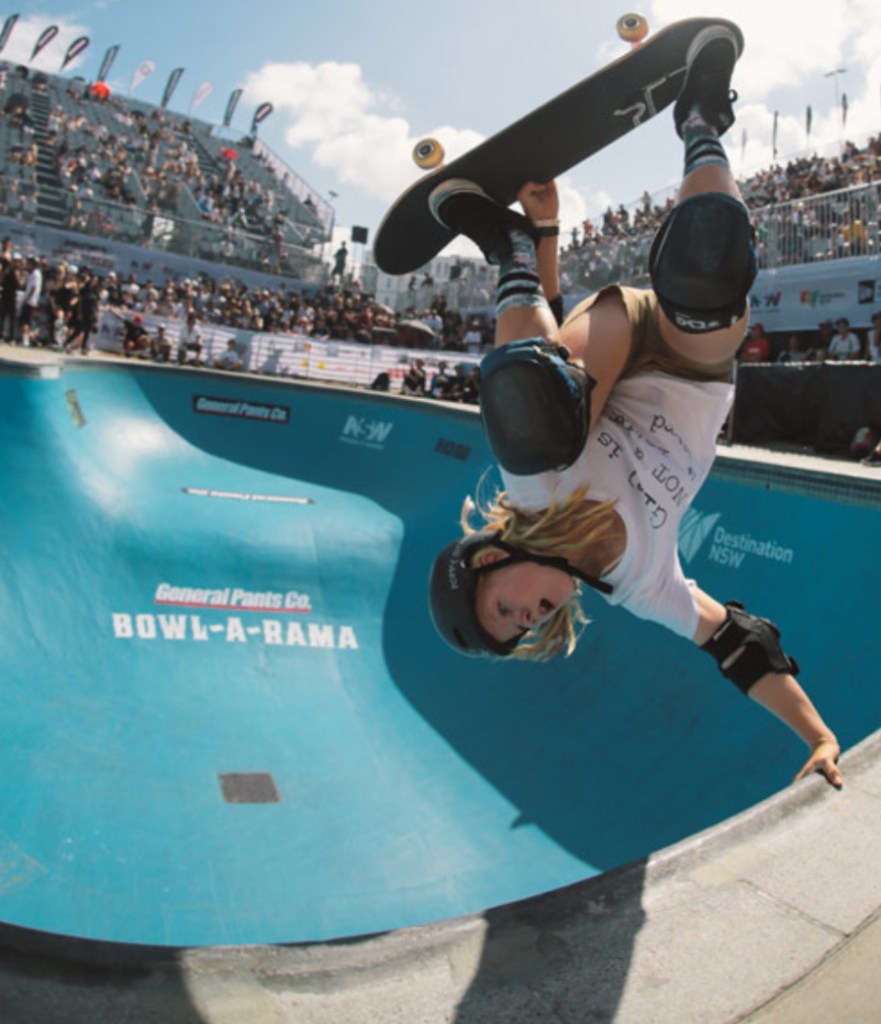

Poppy Starr Olsen OLY, Skateboarder and Olympian. Thrive with Pride Ambassador. Sport Australia Hall of Frame Inductee – photo by Sarah Huston.

Poppy Starr Olsen is an Olympic skateboarder, born in Newcastle and was first handed a skateboard at age eight. Poppy was recognised as one of the top 12 most influential female skaters in the world at age 13, before turning professional at 16. Poppy is a medallist across numerous international competitions including the X Games, Women’s Vertical World Championships, Oceania title in Park, Women’s RedBull Bowl Rippers Final and a gold medal at the Skate Australia National Park Championships that secured her a place on the team for Tokyo 2020, where she finished 5th in Park as the sport made its debut. She is a professional sponsored skateboarder and artist.

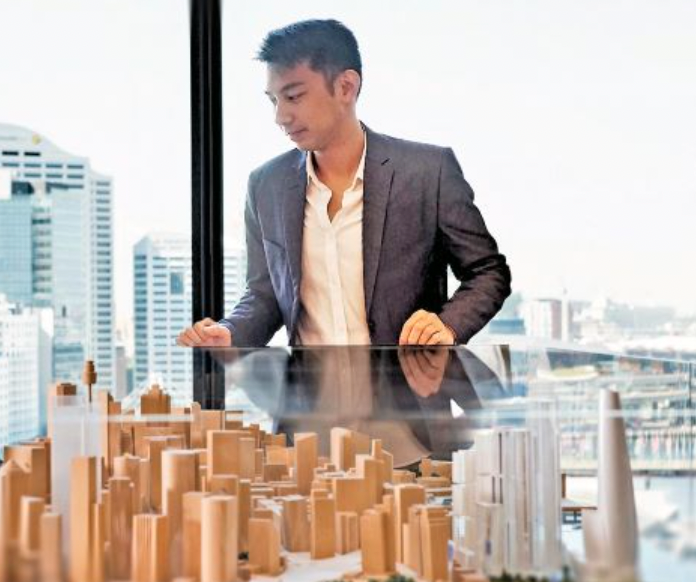
HY William Chan, Sydney based architect, USYD lecturer and Councillor, City of Sydney.  Photo supplied by Chan.

HY William Chan is an architect, city-maker and head delegate to the United Nations, advocating for intergenerational and climate justice. Awarded the University Medal in Architecture from the University of Sydney, William has contributed to Sydney’s most significant city-shaping projects over the past decade. He is the youngest-ever city councillor elected to the Lord Mayor’s administration in the City of Sydney’s 180-year history. A TED-featured speaker and former UNICEF Young Ambassador, William is named on Forbes magazine’s ‘30 Under 30’, in the top 20 of ‘100 Inspiring Australians’ by Qantas, and the top 25 most influential people in the social sector by Pro Bono Australia.

Timothy Lachlan, WCMX and Adaptive Skateboarding Australia founder, Queer and disabilty activist and elite wheelchair athlete.  Photo by Riley Pemberton.

Timothy Lachlan (he/they) is the founder of WCMX and Adaptive Skateboarding Australia. He is a queer, disabled, neurodivergent, young person, an Occupational Therapy (OT) graduate and the first Australian to land a wheelchair backflip. He was also an invited athlete who skated with Tony Hawk on a recent tour to Australia in January 2024.Tim has lived experience of disability and intersectionality. Tim uses Adaptive Skating as a tool to teach others with disabilities various mobility skills and advocate for universal design. His passion for inclusion has led him to join the panel and project.

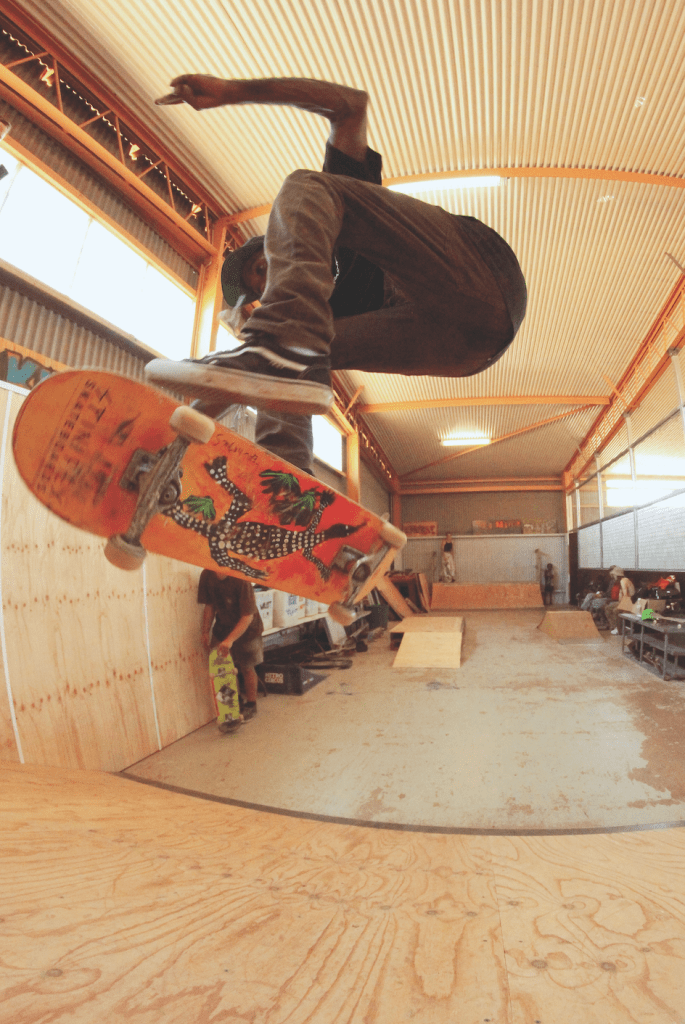
Nick Hayes, proud Arrernte man, Traditional Owner for Ltyentye Apurte, skateboarder, founder of Spinifex Skateboards, and advocate for Indigenous youth. Photos by Greg Barnes.

Nick ‘Nicky’ Hayes is an Arrernte man and Traditional Owner from Ltyentye Apurte and the founder of Spinifex Skateboards. His projects include developing the First Nations Skate tour for youth and being one of the leading figures in the creation of the first indoor skatepark and new outdoor skatepark in Ltyentye Apurte/Santa Teresa.  He is also a filmer and skateboarder in Songline Skateboards, the continent’s first Indigenous skate team.  He is also a public speaker including at Melbourne Design Week.

Chaired by
Dr Indigo Willing, SSSHARC Visiting Fellow, USYD. Skater, Sociologist and Skate, Create, Educate and Regenerate (SkateCER) project leader. Chair – Panel Discussion.  Photo by Stephanie Zingheim

Dr Indigo Willing is a war orphan, skateboarder, has a PhD from The University of Queensland and is the co-author of Skateboarding, Power and Change (Palgrave Macmillan, 2023) with Anthony Pappalardo. She is the co-chair for the international advisory board for Skateistan, who build skateparks and education programs globally. Indigo is currently a Visiting James Social Science Fellow working on the Skate, Create, Educate and Regenerate project and a 2024 faculty member for the Hunt-Simes Institute in Sexuality Studies HISS Faculty at The University of Sydney at The Sydney Social Sciences and Humanities Advanced Research Centre (SSSHARC). In September 2024 Indigo was also awarded a Churchill Fellowship.

Dr Sanne Mestrom, DECRA Fellow and Senior Lecturer, College of Arts, USYD. Chair – ‘Meet the Artist’ with her artwork post panel.

Dr Sanne Mestrom’s practice-led research seeks to incorporate “play” into a socially engaged practice as a means to question the social consequences of urban design. Her current research investigates ways that art in public places – and urban design more broadly – can become critically integrated, inclusive and interactive spaces. To do so, her projects bring together sculpture and the body to examine the role of art in rewriting current definitions of ‘play’ as relating to the physical, experiential and ideological conditions of ‘place’. Creating temporary and permanent sculptural forms that respond to the built environment and our movement through it, softens the separation of art and everyday life; it is through this ‘softness’ that play has the potential to open up a space to escape certain logics, and denying logic is itself a subversive – and therefore political– action.

Funding Support
The above talks have been made possible by Dr Indigo Willing SkateCER project with grants from TASA, SSSHARC and the Henry Halloran Research Trust - Research Seminar Scheme, SSSHARC, Relationships Australia ICAFFS Grant and Dr Sanné Mestrom's DECRA project Art/Play/Risk. More partners and sponsors listed here
 S k a t e CER