Held in 2024
Sociology of Skateboarding and City Canvas Skate Dots
Done in collaboration with SSSHARC and Art/Play/Risk with support from Sydney University, the Australian Sociological Association and Griffith University
In 2024 SkateCER in partnership with academics at The University of Sydney conducted site visits, focus groups, co-design workshops on creating new resources for skaters, community knowledge, skateable public art and more.
Online focus groups with 'non-traditional' skaters were especially encouraged to have a say (e.g individuals not traditionally as visible or included in the past). The goal is to better understand community experiences, attitudes and perceptions of public space and skating.

Focus group and co-design workshop collaborators - Dr Indigo Willing (sociologist and skater, SkateCER), Dr Sanné Mestrom (public artist, Art/Play/Risk) with Nadia Odlum plus A/Prof Lian Loke (design and performance scholar, ElectroSk8).

Workshop 1 - 17th January 2024 (online)
Co-facilitated by Dr Indigo Willing (sociologist and skater), Dr Sanné Mestrom (public artist) and A/Prof Lian Loke (design and performance scholar)
Introductions to the SkateCER project aims and key team and their combined backgrounds across sociology, public art, and design and performance including Willing's work co-authoring Skateboarding, Power and Change and co-founding Consent is Rad, We Skate QLD and the SSHRED Seminars, Mestrom's Art/Play/Risk and Loke's ElectroSk8 projects
Introduction to participants/experts in the community who were sharing insights
Finding out what kind of spaces people like to skate and why, and what barriers exist
Talk and draw session on what makes obstacles good to skate
Workshop 2 – 7 February 2024 (online)
Co-facilitated by Dr Indigo Willing (sociologist and skater) and Dr Sanné Mestrom (public artist)
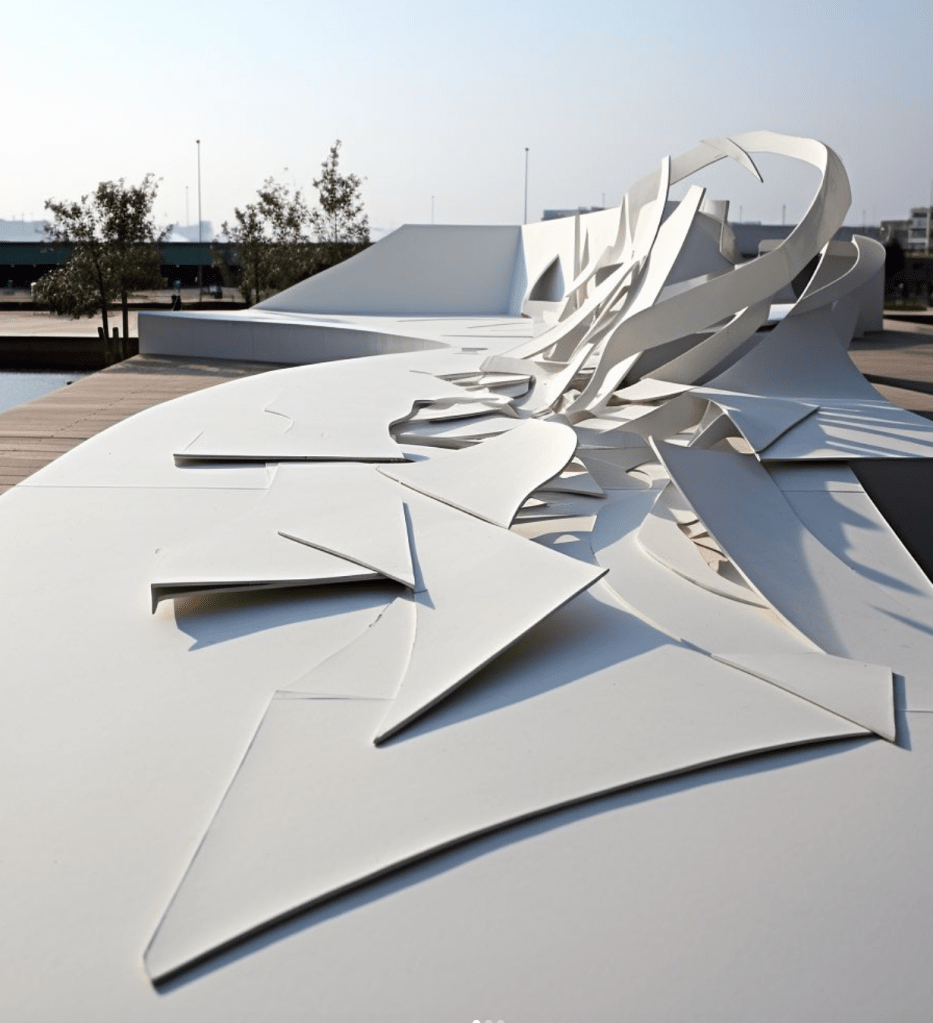
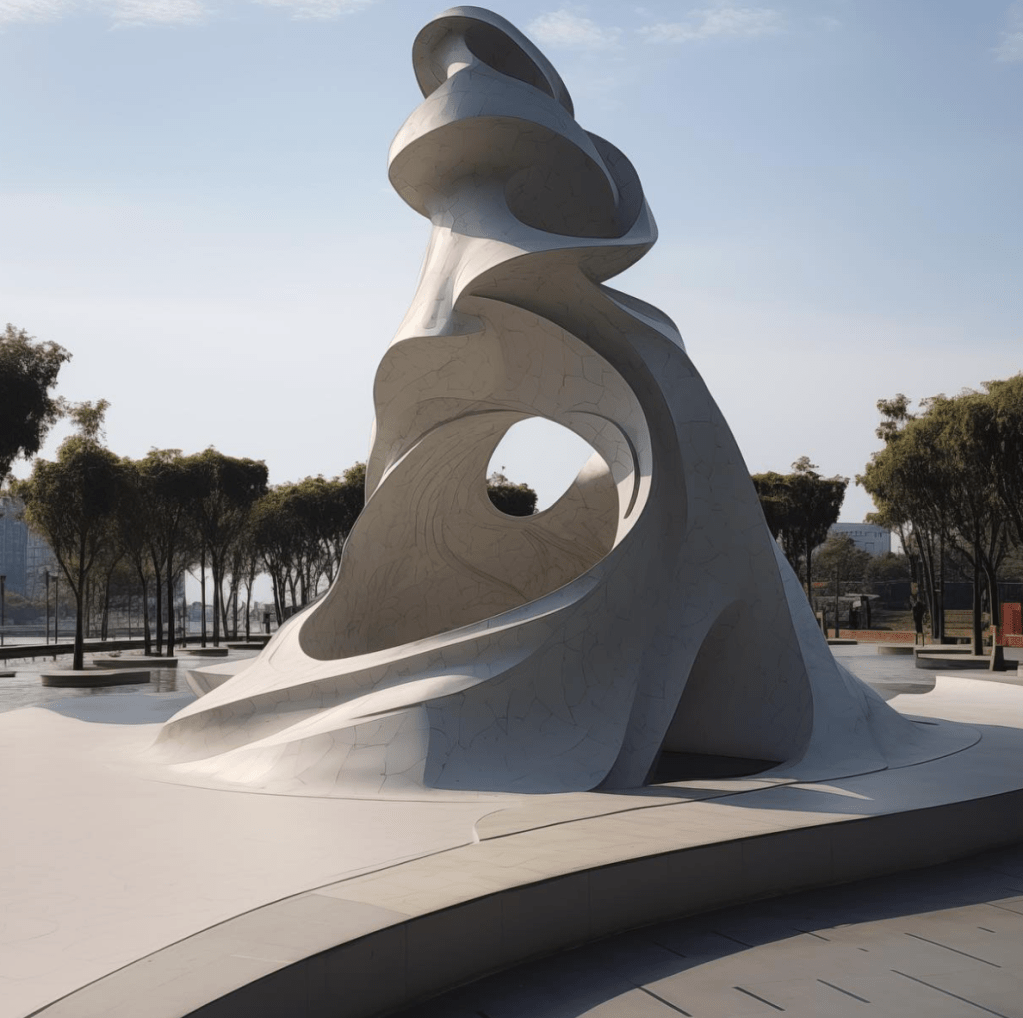
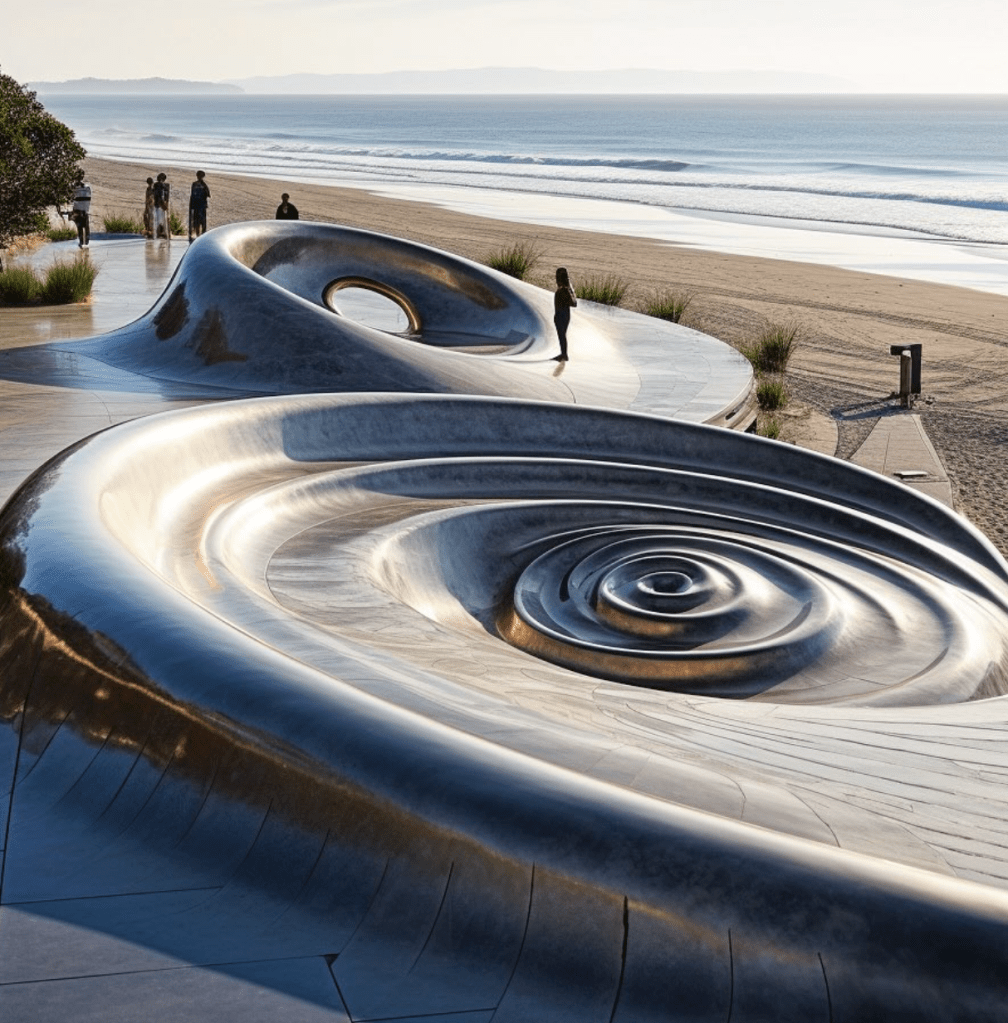
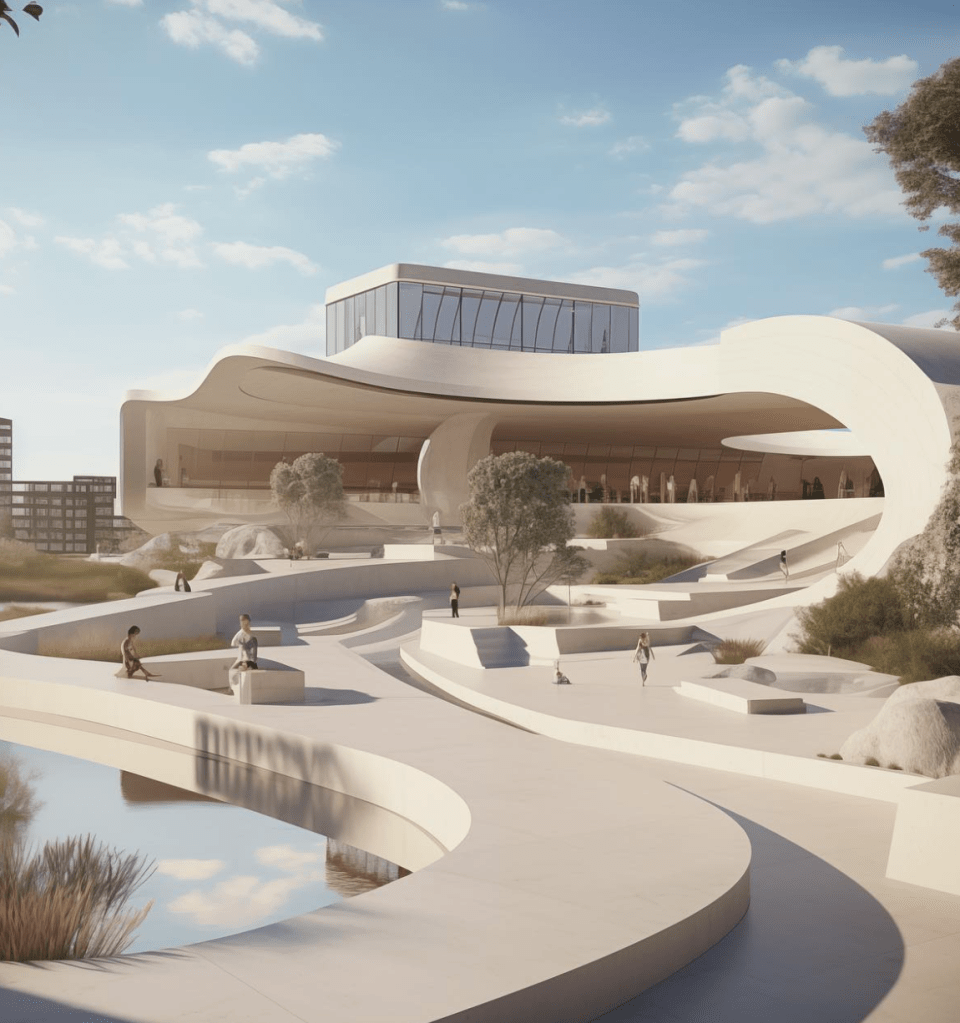
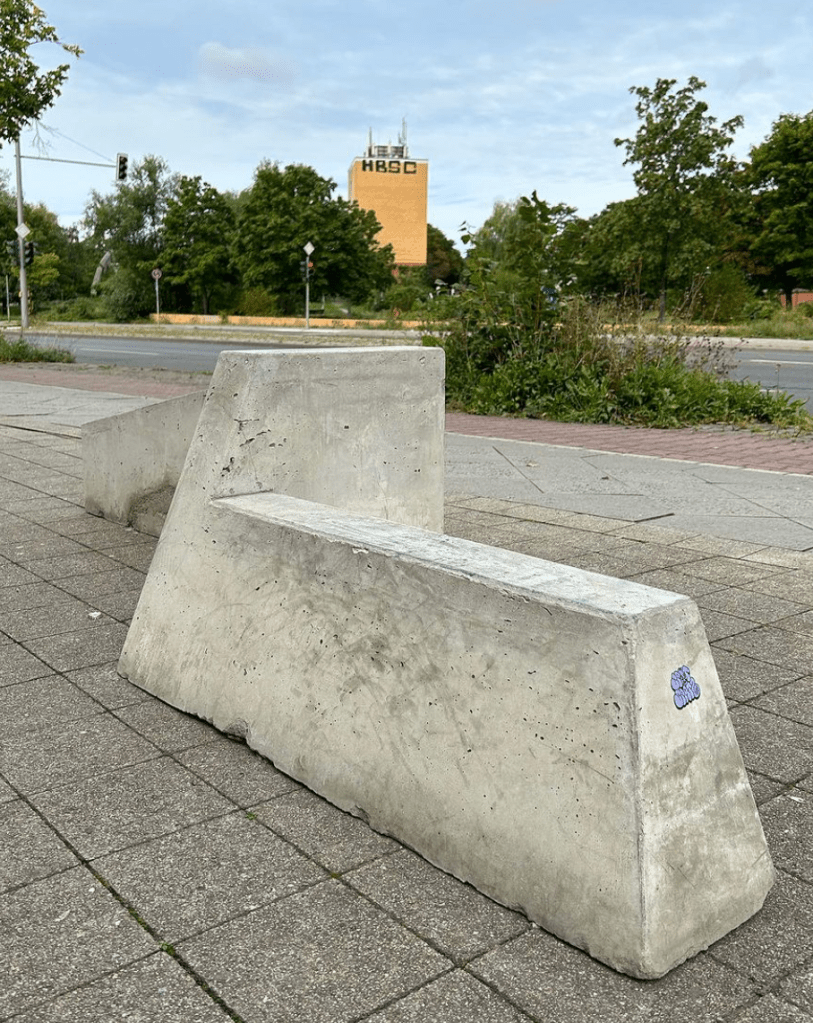
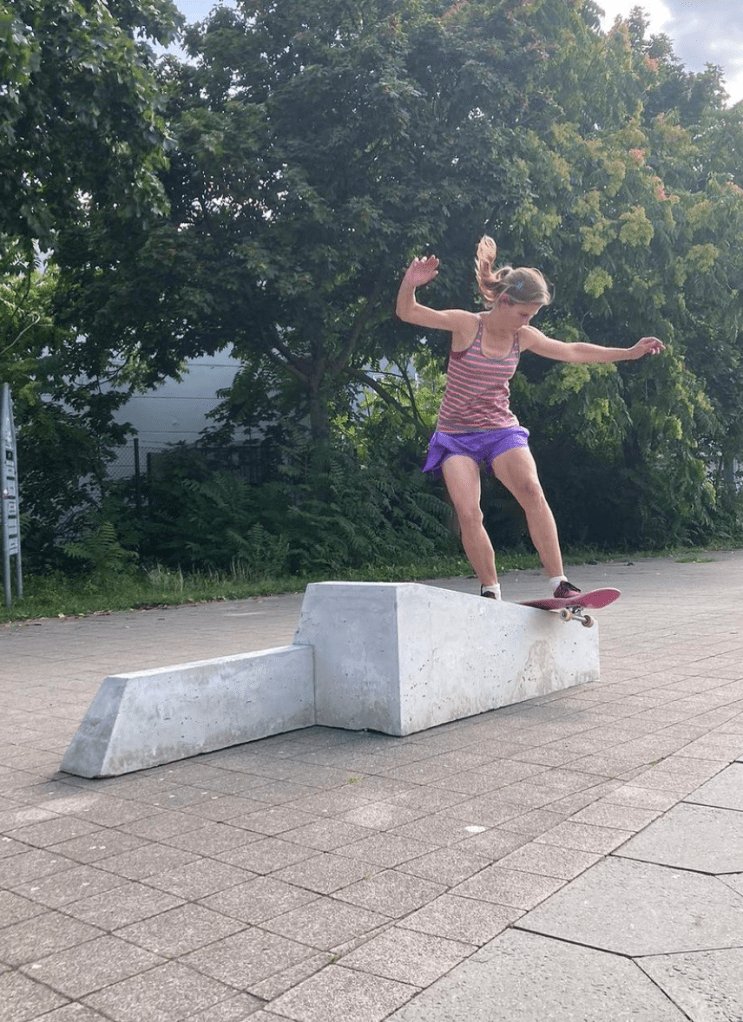
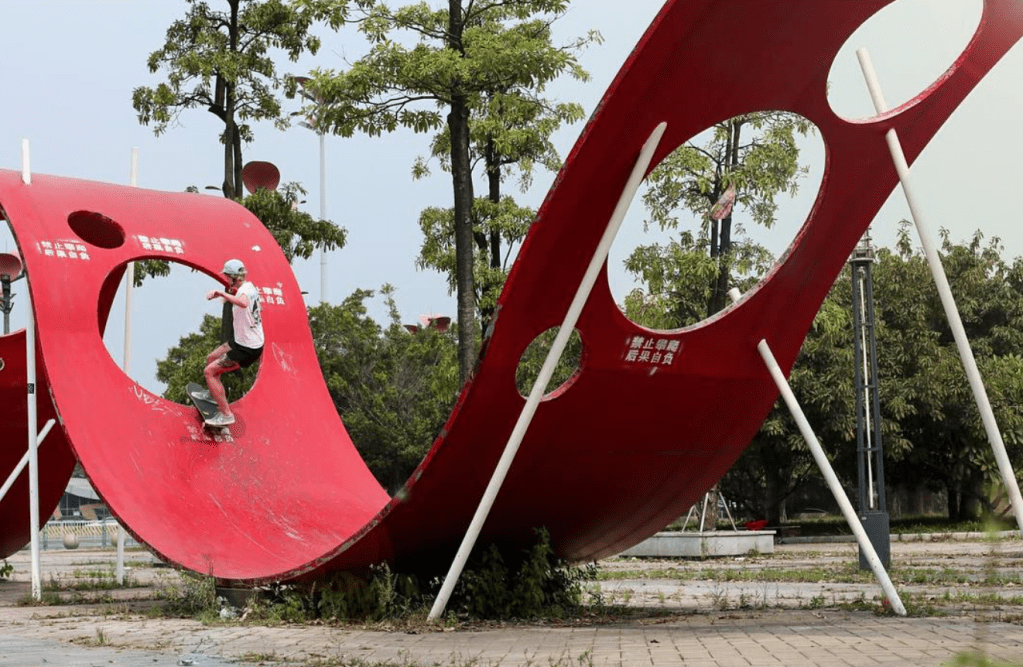
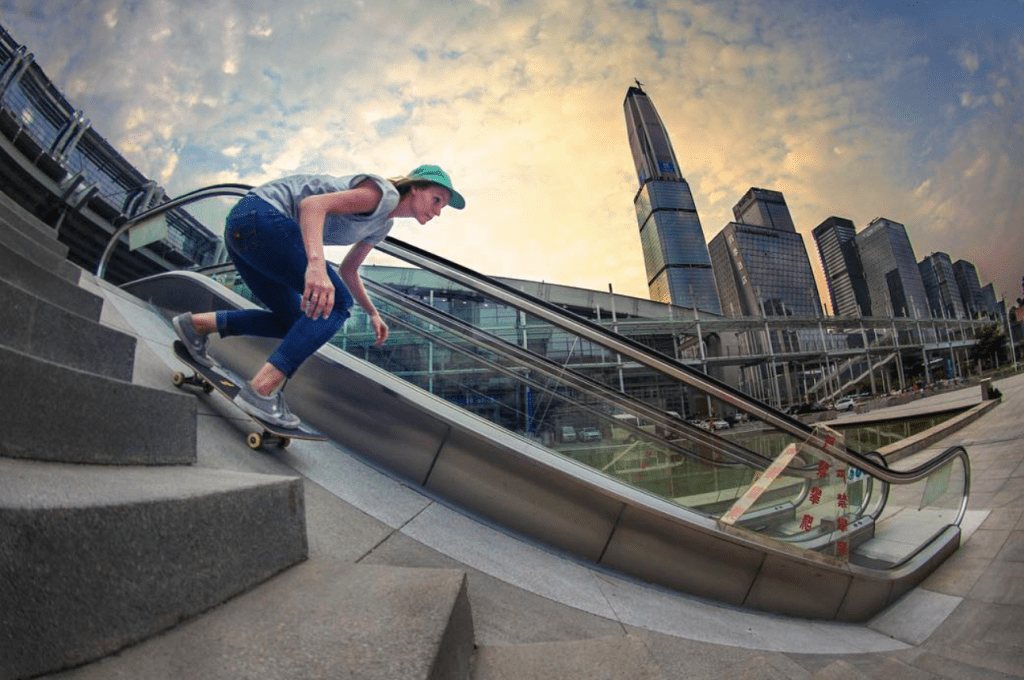
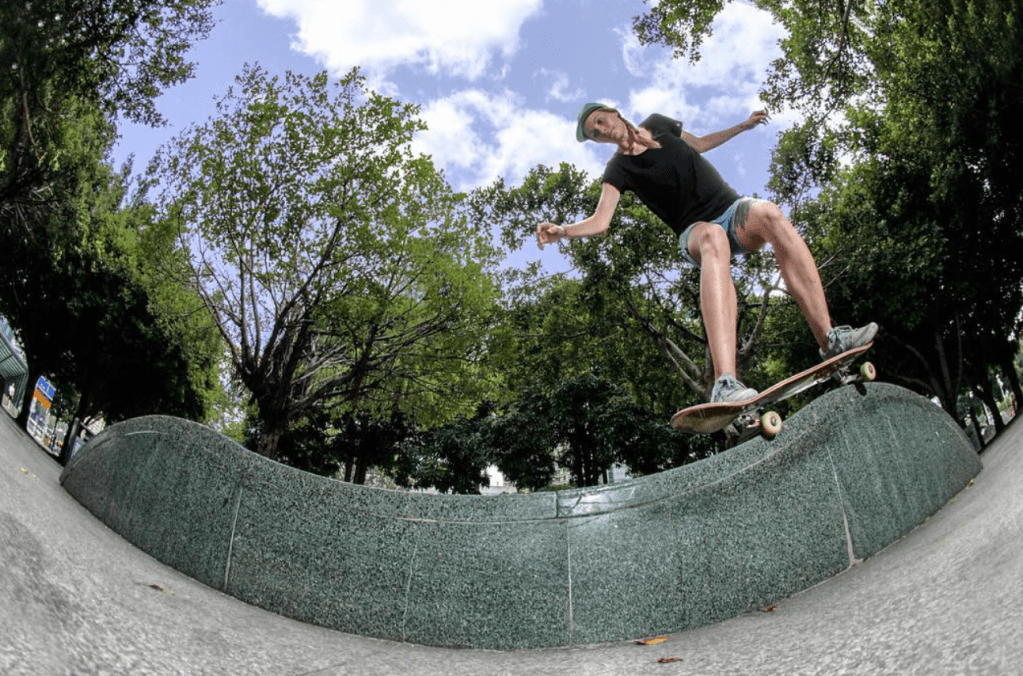
Participants were asked to respond to three types of 'skateable' architecture including what they like about it and what are some of the barriers that might exist. 1) concept art of skateable landscapes and architecture by Skate EcoSystems; 2) small scale art/sculptures made to skate by Pierre Descamps and colleagues and 3) street architecture, public art and other objects 'found' in the streets that are not designed to skate but can be skatable, based on skate photography in China and Adelaide airport by Sarah Huston from Yeah Girl and Melbourne by Dr Indigo Willing.
All work shared here with the permission of the artists and creators and for Dr Willing's focus group and workshop discussion prompts.





Workshop 3
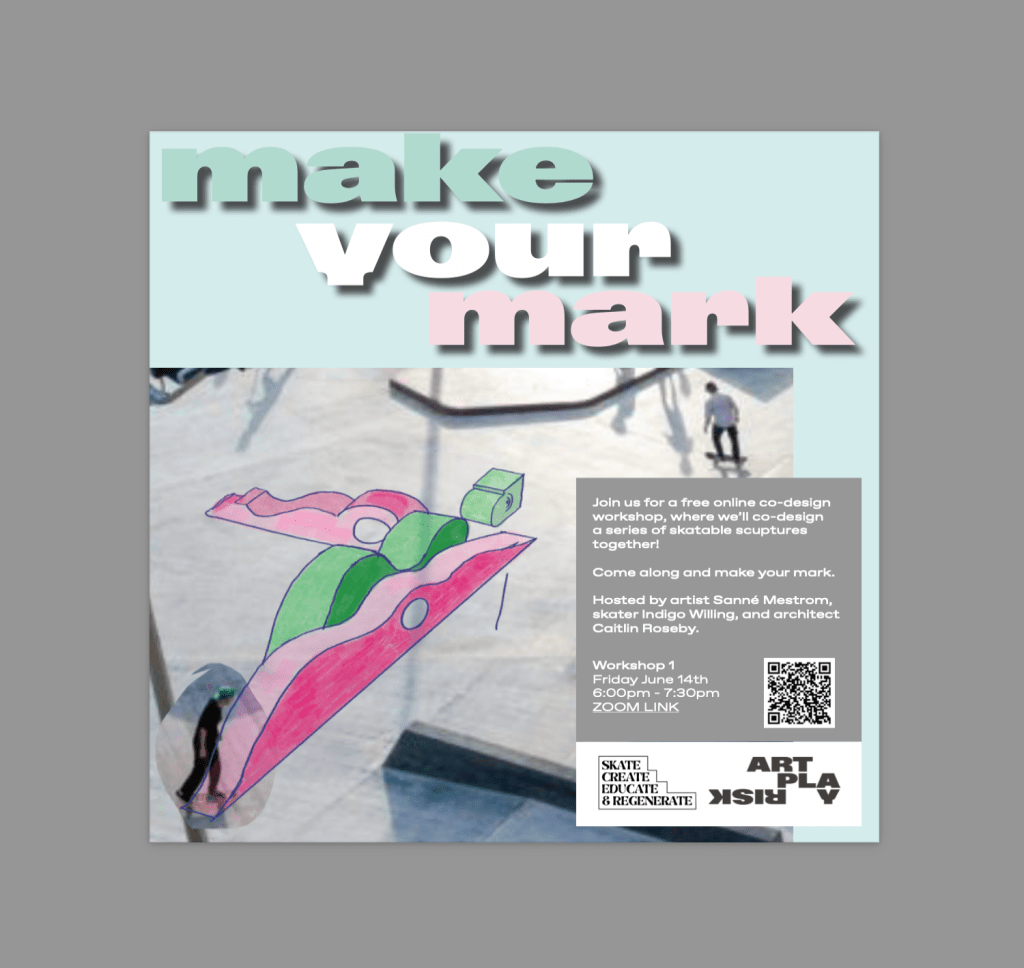
Online and skatepark visits June and July in 2024. Info and how to RSVP here - open to all but with non-traditional skaters especially encouraged to have a say. For updates on online and at skatepark co-designing 'skateable' sculpture workshops visit Art/Play/Risk
Workshop 3 – 14th June, 6pm – 7.30pm (online)
Skaters rarely have the opportunity to be co-designing skateable sculptures with a feminist public artist and women and non-binary led team. SkateCER was proud to co-facilitate this special opportunity with special encouragement for non-traditional skaters (such as women and queer skaters) and the inclusion of all genders, plus emerging skate designers (such as architecture students and graduates) having a say together.

Participants included skateboarders, roller skaters, roller bladers, parkour and creative sports community experts who worked with the research team to reflect on what images of public art (computer generated examples only) they would like to skate and why.

Co-facilitated by Dr Sanné Mestrom (public artist), Dr Indigo Willing (sociologist and skater),  Caitlin Roseby (architect) and Nadia Odlum (PhD Candidate/artist).

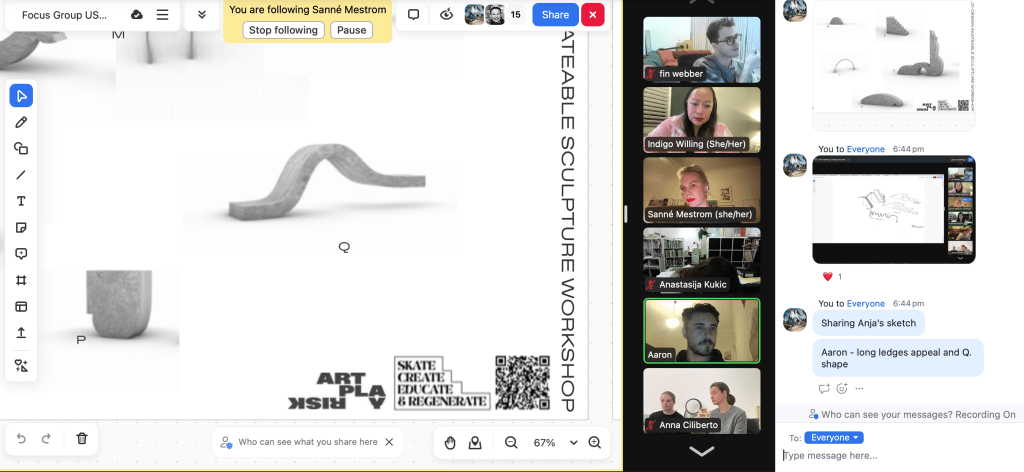
Workshop 4 – 16th June, 11am to 12.30pm (Sydney Skatepark)
Moving from CAD sessions to site visits, this session invited participants from areas of the arts, architecture and youth education, plus with the public openly welcome, to explore and assess miniature sculptures and discuss what modifcations they would like and why.
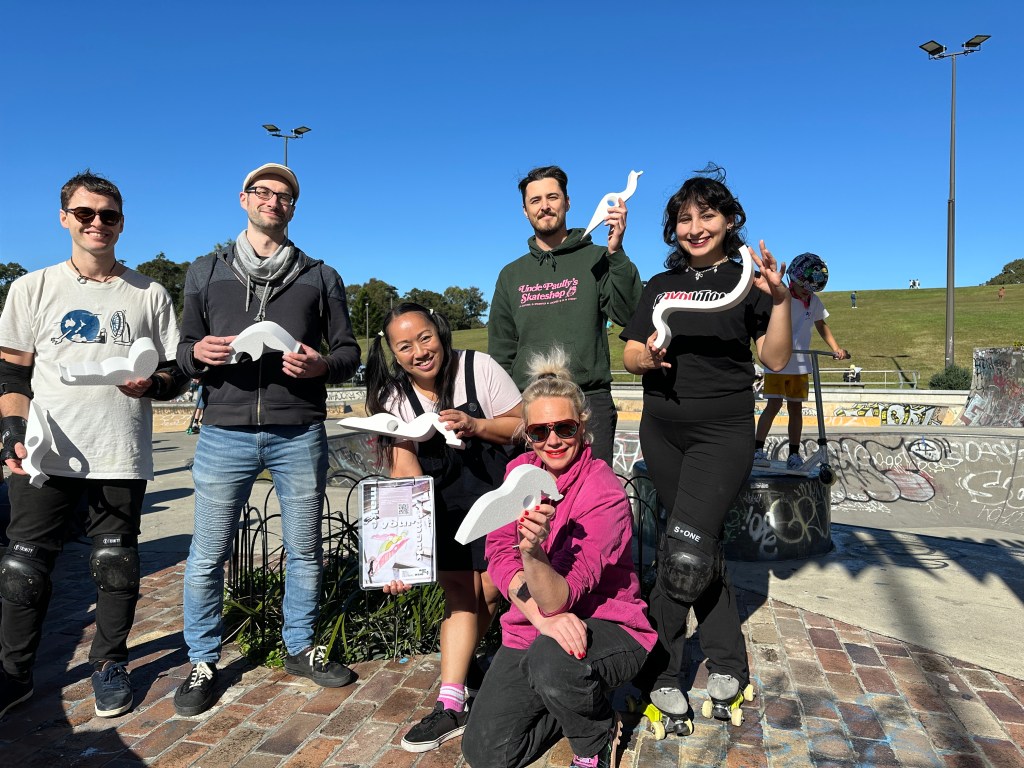


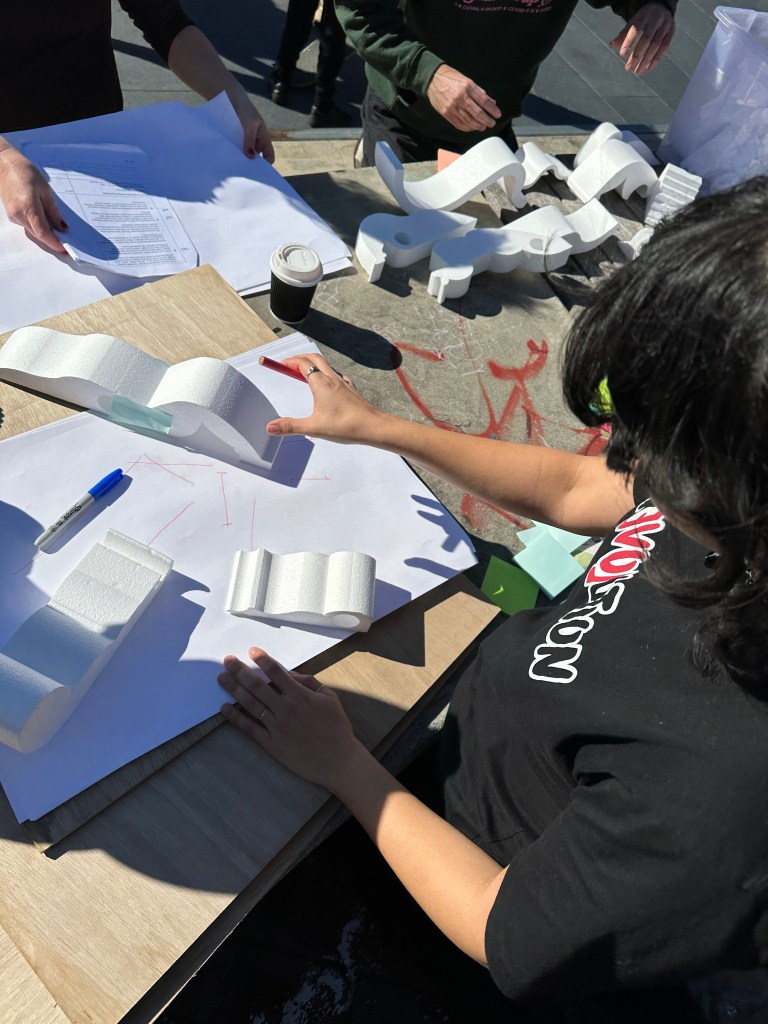
Workshop 5 – 14 July, 11am to 12.30pm, (Glebe skatepark)
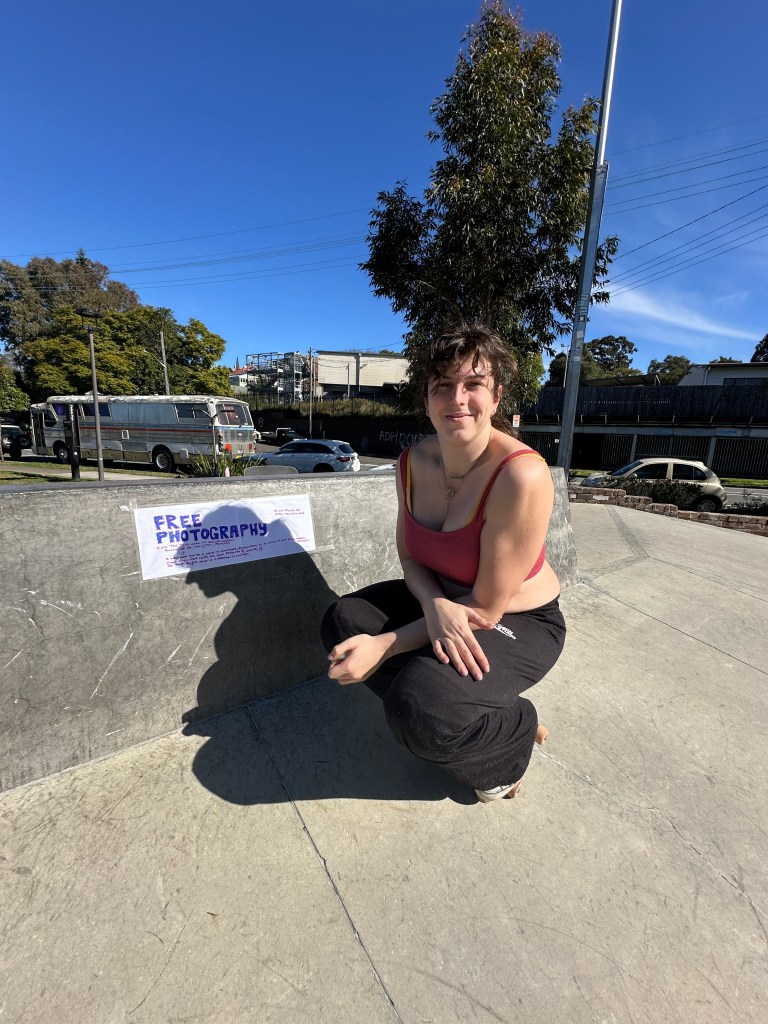
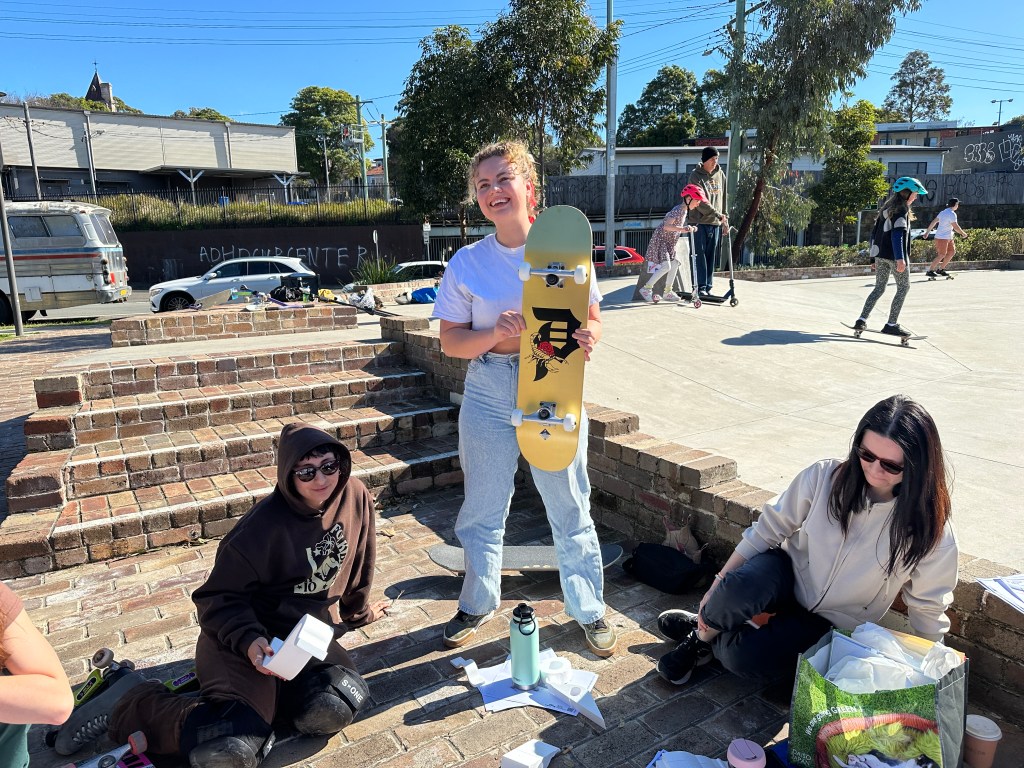
In this session, we held a special session for girls, young women and non-traditional skaters to have a safe and supportive space to explore skatepark designs, mini sculptures that could be modified to skate and talk about their personal experiences and needs when they visit skateparks and skate spots. Importantly, the research team rolled around with the research participants for 'free skate' time and room for play as well as the more formal workshop.

Part 1 of the workshop had an arts focus assessing the 'skateability' of miniature models of pilot artworks by Dr Mestrom. The insights generated from this co-design process will have an important impact on the skateable artwork being created by Dr Mestrom as part of her Art/Play/Risk DECRA project and will result in a pilot artwork for the symposium 17-18 October in 2024. Mestrom and Nadia Odlum will also be running arts-themed talks and interactive workshops as part of the program.

Part 2 of the workshop had a sociological focus involving a group discussion on the topic of inclusion, safety and the special insights that women and non-traditional skaters can bring to the table for future skate urbanism. Outcomes from this session had the immediate impact of informing a presentation by Dr Willing to the City of Sydney committee meeting on deciding if a new skatepark will be built at Gunyama Park (which was successfully approved July 2024). Further impacts will include a suite of resources for the skate community, and with attendees Anja and Alicia (and see their roles on the team page) presenting their expert community insights at the sociology and community paper presentations at the Symposium in October.

We would like to thank Project Distribution via World of Wheelcraft for the complete skate deck that we were also able to giveaway as part of a fun activity to conclude the workshop.

Co-design session co-facilitated by Dr Sanné Mestrom (public artist - Art/Play/Risk) and Dr Indigo Willing (sociologist, skateboarder - SkateCER). Research assistance by Alicia Mardones Saavedra, Anastasija Kukić and Nadia Odlum.

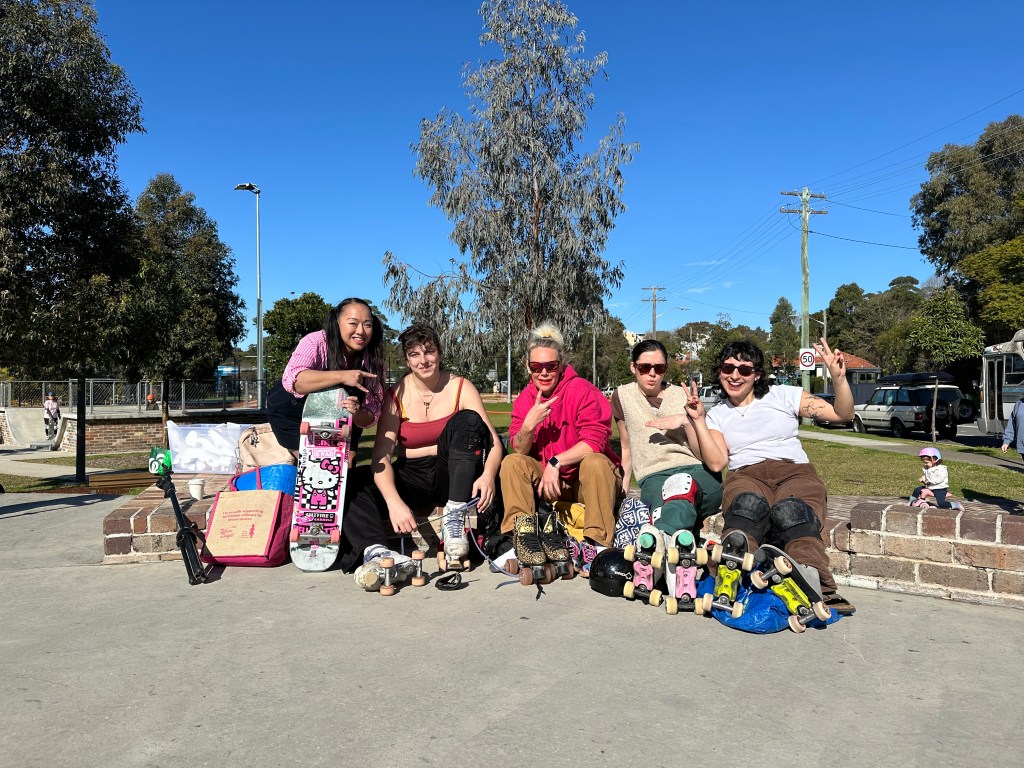



Workshop 6 – Online co-design
Workshop 7 – Online final co-design before fabrication of skate dots
Workshop 8 – Pilot skate dots session at City Canvas Symposium
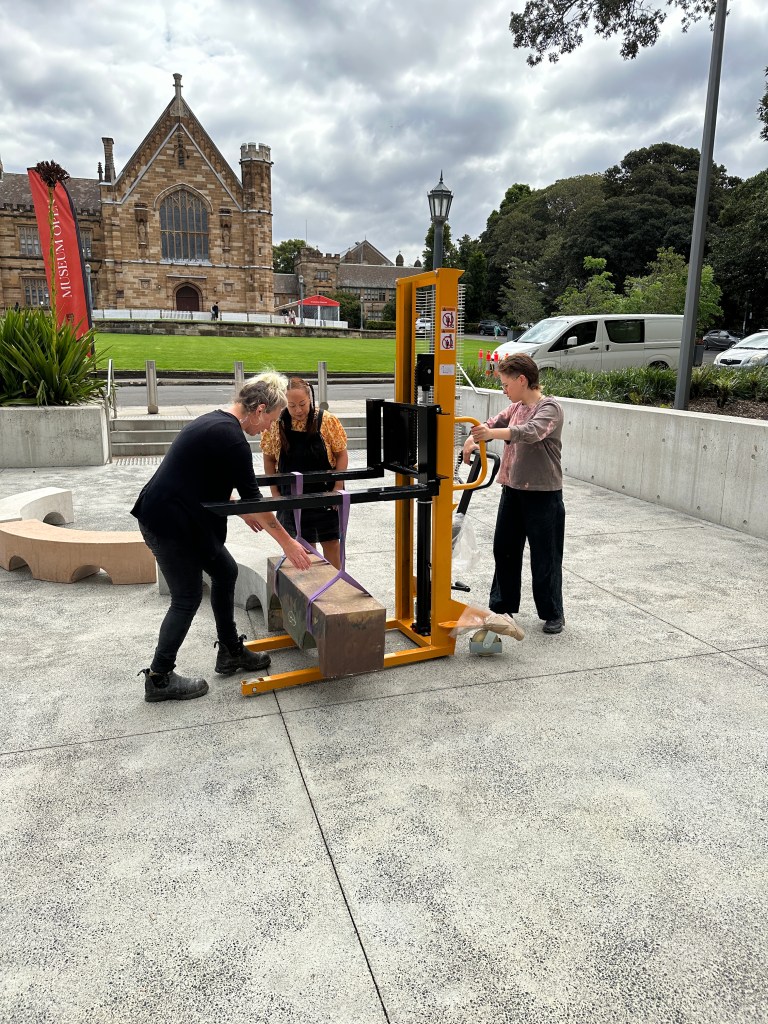

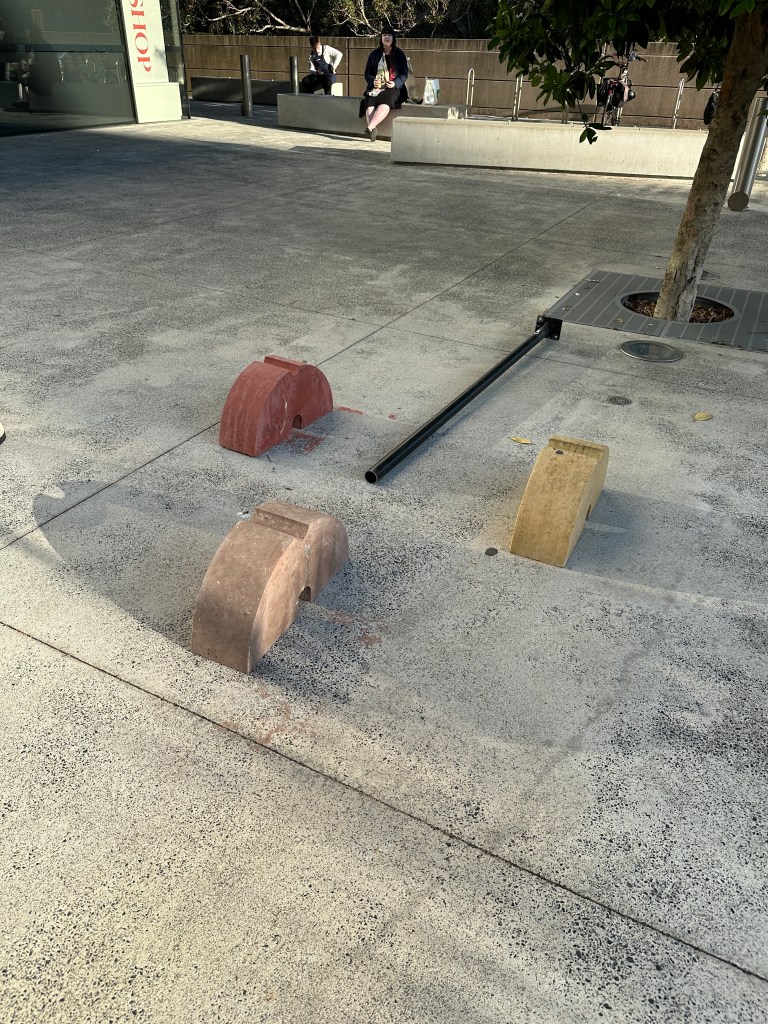

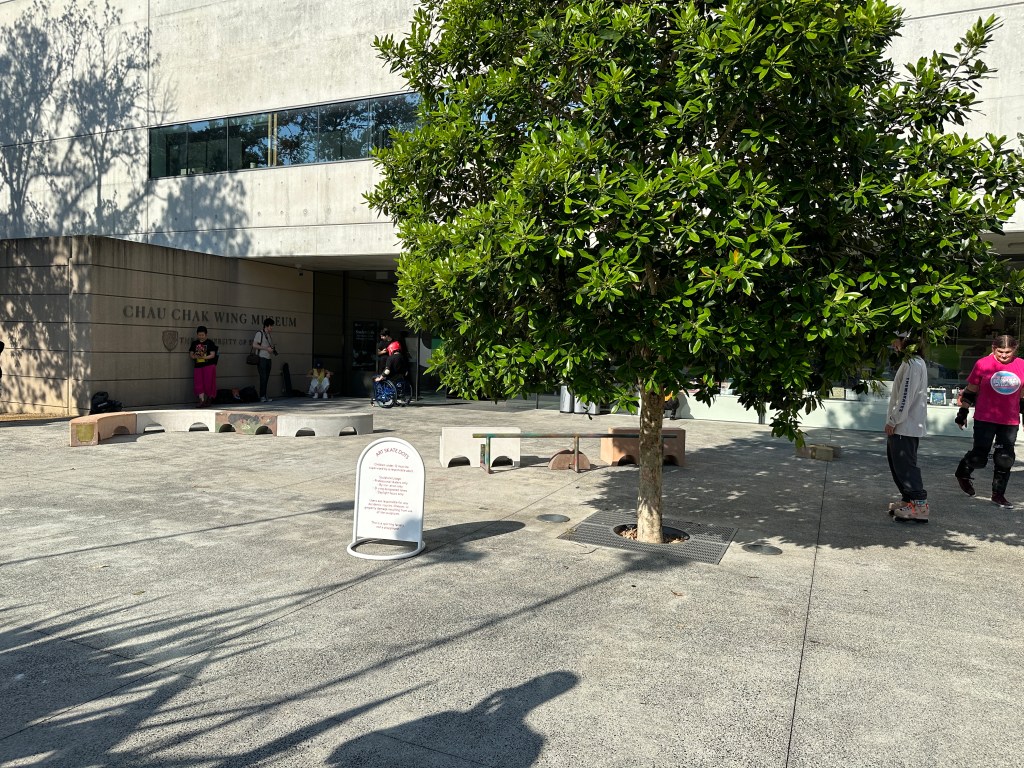
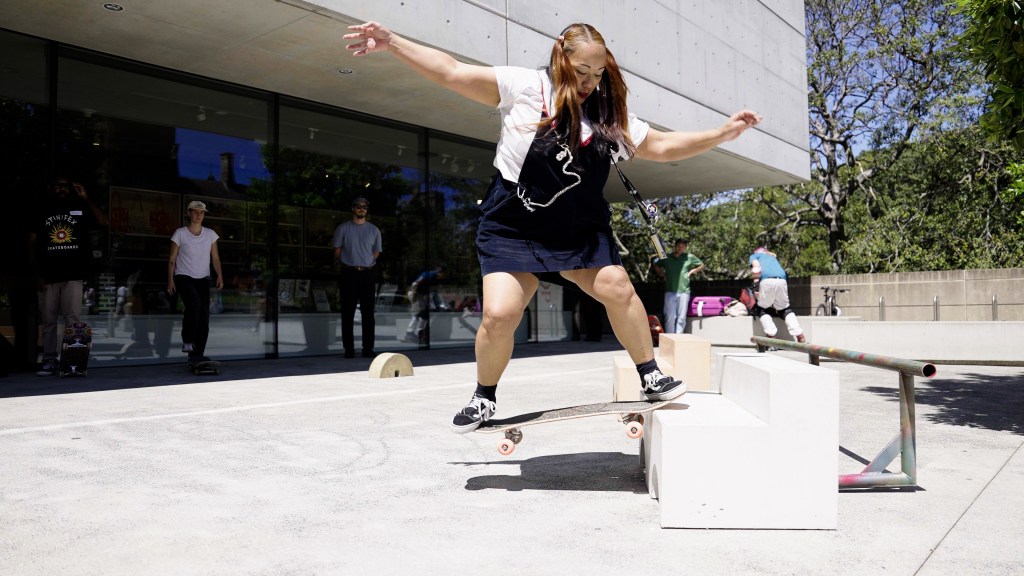
Read more here in USYD media stories about ‘public art, urban sports and skateable sculptures’ and here about ‘how women skateboarders are flipping the script’
Ethics
The above research has received ethics approval GU Ref No: 2024/027 and from Art/Play/Risk at USYD. For information sheets on the project please email: indigo.willing @ sydney.edu.au


 S k a t e CER